
Turlock
Turn Plumbing Findings Into a Practical Plan
A plumbing recommendation is easier to evaluate when the immediate problem, necessary access, and optional improvements are clearly separated. For homeowners in Turlock, All American provides leak detection, pipe repair, water heater service, repipes, and fixture work. Begin with the issue affecting everyday use, then ask how each proposed step responds to the findings. A useful plan explains what needs attention now, what remains uncertain, and which larger decisions can be considered on their own merits.
- Leak repair scope discussions
- Fixture repair and replacement options
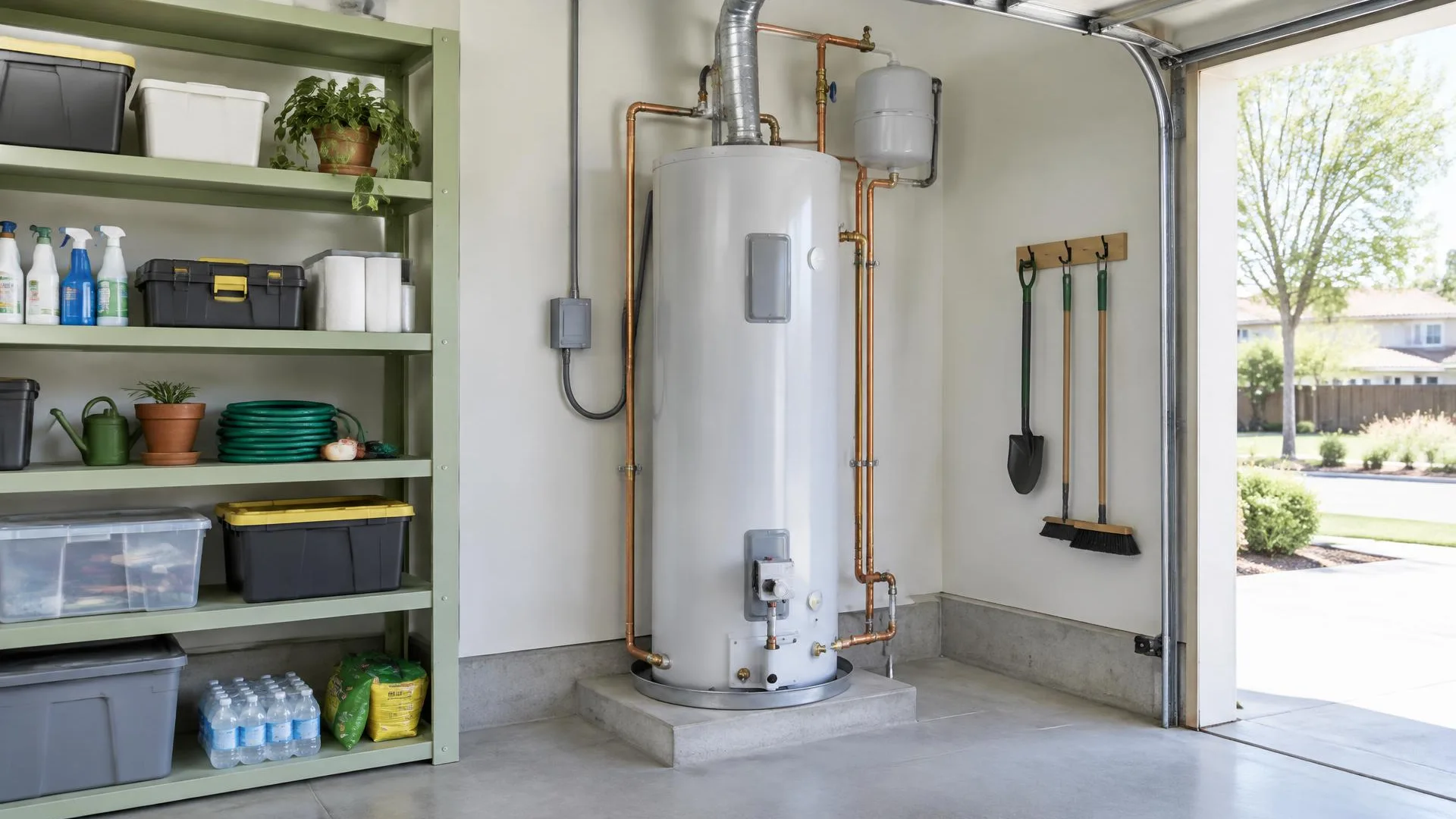
- Tank and tankless water heater service
- Pipe replacement planning
What we handle
Separate the Repair From the Wish List
Several plumbing concerns can surface during one conversation without belonging to the same project. Organizing them by confirmed problem, access requirement, and future consideration helps you understand the scope instead of treating every recommendation as an equally urgent decision today.
Since 2001
Serving the Central Valley
- 01Leak repair scope discussions
- 02Fixture repair and replacement options
- 03Tank and tankless water heater service
- 04Pipe replacement planning
- 05Repiping considerations
- 06Access requirements for identified repairs
First, identify the outcome the repair is intended to achieve. Stopping a pipe leak, restoring a toilet, and improving hot water delivery are different objectives, even when they involve nearby equipment. Ask which observations support the proposed work and whether additional investigation is needed. A plan grounded in findings is easier to review than a list of replacement components with no explanation of how they relate to the symptoms.
Next, discuss access as part of the scope rather than an afterthought. Plumbing may be visible in a cabinet or concealed behind finished surfaces, and those conditions affect how work can proceed. Clarify what must be reached, what existing components will be disturbed, and which responsibilities need to be discussed separately. Do not assume that a plumbing repair automatically includes every surrounding finish or unrelated improvement you might want completed.
Finally, compare focused repair with broader replacement only where the evidence supports that choice. Repeated failures or additional pipe concerns may make replacement worth discussing, but an isolated fixture problem calls for a different conversation. Keep a record of the options and the reason for each recommendation. That makes it easier to prioritize work, ask informed follow-up questions, and avoid combining unrelated concerns into a project whose purpose becomes unclear.
When a Written List Helps
If several symptoms compete for attention, organize them before requesting service. Separate active water loss from performance concerns and proposed upgrades so each issue receives an appropriate discussion.
- Several fixtures needing different repairs
- A leak near planned remodeling work
- Questions about repair versus replacement
- Unclear access to concealed piping
- Recurring failures after isolated repairs
- Water heater concerns alongside fixture trouble
Start With the Problem, Then Define the Work
Contact All American for plumbing in Turlock. Bring your symptom list and project questions so repair needs, access concerns, and possible future improvements can be discussed distinctly.
Plumbing questions
Frequently Asked Questions
Compare the problem each option addresses, the components involved, and any access requirements. A lower-scope repair and a larger replacement may serve different goals, so price alone does not explain whether they are equivalent choices.
Put active leaks and loss of normal fixture use ahead of cosmetic preferences. Describe the actual conditions rather than assigning your own diagnosis, and tell the plumber about any water exposure that could affect safe access.
Visibility helps explain access, but the pipe's condition, connections, and relationship to other components still matter. Ask what the repair involves instead of assuming that a visible fitting can always be changed without additional work.
They should be discussed as distinct goals. Restoring operation may not require the same scope as changing fixtures or reworking piping for a future project. Ask which recommendations address confirmed problems and which support your preferences.
Initial symptoms may not reveal every affected component. New findings can alter the appropriate scope. Ask for an explanation of what was discovered and how it changes the proposed work before treating the revision as self-explanatory.
Retain the identified problem, the agreed scope, and any remaining concerns that were not addressed. This record helps future conversations stay specific and prevents an unrelated symptom from being confused with the purpose of earlier work.