
Turlock
Turlock Emergency Heating for Alarming System Noises
A sudden loud sound from heating equipment can mean a mechanical fault, loose component or protective response. In Turlock, we help you decide what to do next, beginning with safety. If the noise comes with smoke, gas smell or an alarm, leave and call emergency services. Otherwise, stopping use may prevent further damage until inspection.
- Describe sound type, timing and intensity
- Shut off from the thermostat when conditions warrant
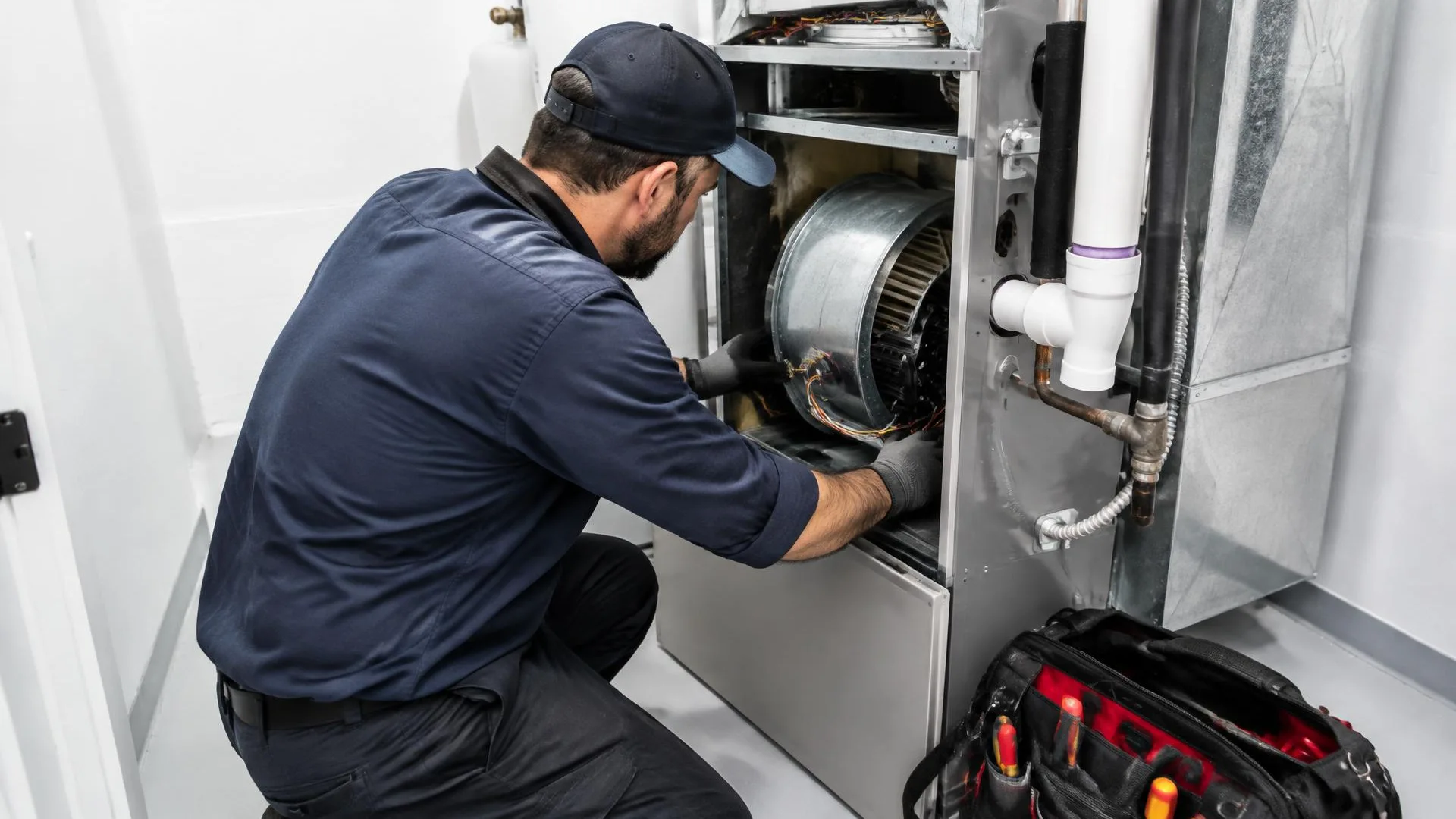
- Inspect blower, motor and visible mechanical conditions
- Review duct movement and loose-component sources
What we handle
When a noise changes the plan
Sound is evidence. Its timing, location and intensity help determine whether the system should keep running.
Since 2001
Serving the Central Valley
- 01Describe sound type, timing and intensity
- 02Shut off from the thermostat when conditions warrant
- 03Inspect blower, motor and visible mechanical conditions
- 04Review duct movement and loose-component sources
- 05Assess combustion-related symptoms safely
- 06Advise whether service is urgent or can be planned
An alarming sound needs a clear description without exposing anyone to the equipment. Note whether it is grinding, screeching, scraping, banging, buzzing or whistling, and whether it happens at startup, during steady operation or at shutdown. Severe metallic noise or strong vibration is a reason to stop heating from the thermostat if that can be done safely. Do not keep running the unit to make the sound easier to identify. A recording already obtained from a safe location may help, but reproducing the noise is unnecessary. Also report any loss of airflow or repeated shutdown, since those details help distinguish a sound complaint from a broader operating fault requiring investigation.
Keep panels closed and hands away from moving or electrical components. Tightening a suspected loose part or reaching through a grille can introduce hazards and may not address the actual source. If you smell gas or a carbon monoxide alarm sounds, leave the building and contact emergency services from outside. Smoke, suspected fire or sparking also takes priority over a repair request. Do not remain indoors for another recording or a final restart. After immediate safety concerns are addressed, share where the noise seemed loudest and whether it changed with airflow. Those observations can guide a technician without requiring a homeowner to locate an internal mechanical or combustion related fault.
The technician evaluates likely sources such as blower components, bearings, loose assemblies, duct movement and operating conditions associated with combustion. The repair recommendation should identify the source actually demonstrated and acknowledge uncertainty if the sound cannot be reproduced safely. A minor duct movement may allow planned work, while mechanical damage or an unsafe operating condition can require keeping equipment off. Ask what makes the concern urgent and what checks follow correction. A quieter restart alone does not establish that the underlying cause has been resolved. Appointment availability and the eventual repair depend on conditions and findings, so arrival times and immediate restoration should not be assumed or guaranteed before the inspection.
Noise warning signs
Sound plus another symptom is often a reason to stop operating the system and seek help.
- Metal-on-metal grinding or screeching
- Sudden banging followed by shutdown
- Burning smell with noise
- Smoke, sparks or visible damage
- Vibration that becomes stronger
- Carbon monoxide alarm or gas odor
Report a Turlock heating noise
Call with a plain description of the sound and any safety signs. We will help determine the next step.
Emergency Heating questions
Frequently Asked Questions
If it is safe, turning it off at the thermostat is reasonable. Continued operation can worsen mechanical damage. Request professional inspection.
No. Rotating and electrical components are hazardous. Leave panels closed and let a qualified technician inspect the equipment.
A temporary improvement does not prove the cause is gone. Report the event, because the problem may return.
It can be, especially if repeated or associated with ignition issues. Stop using the system if concerned and request evaluation.
Leave if there is smoke or danger, and contact emergency services from a safe place. Do not wait for a repair appointment to address a fire risk.
Yes, but a technician should confirm the source. Similar sounds can come from different components with different risks.