
Turlock
Is Hydro-Jetting the Right Drain Cleaning Method in Turlock?
Hydro-jetting can be effective for grease, sludge, and heavy residue, but it is not the answer to every clog. In Turlock, our drain and sewer service weighs the type of blockage, the pipe material, and the line's condition before recommending a method. Sometimes a cable is enough, sometimes jetting is better, and sometimes the pipe needs to be understood first so cleaning does not make a weakness worse.
- Hydro-jetting assessment
- Cable and snake clearing
- Grease and sludge removal
- Pipe material consideration
What we handle
Matching the Cleaning Method to the Pipe
Choosing between a cable and water pressure depends on what is inside the line and what the line can tolerate. We evaluate both before picking a tool.
Since 2001
Serving the Central Valley
- 01Hydro-jetting assessment
- 02Cable and snake clearing
- 03Grease and sludge removal
- 04Pipe material consideration
- 05Camera-assisted method selection
- 06Cleaning plan explanation
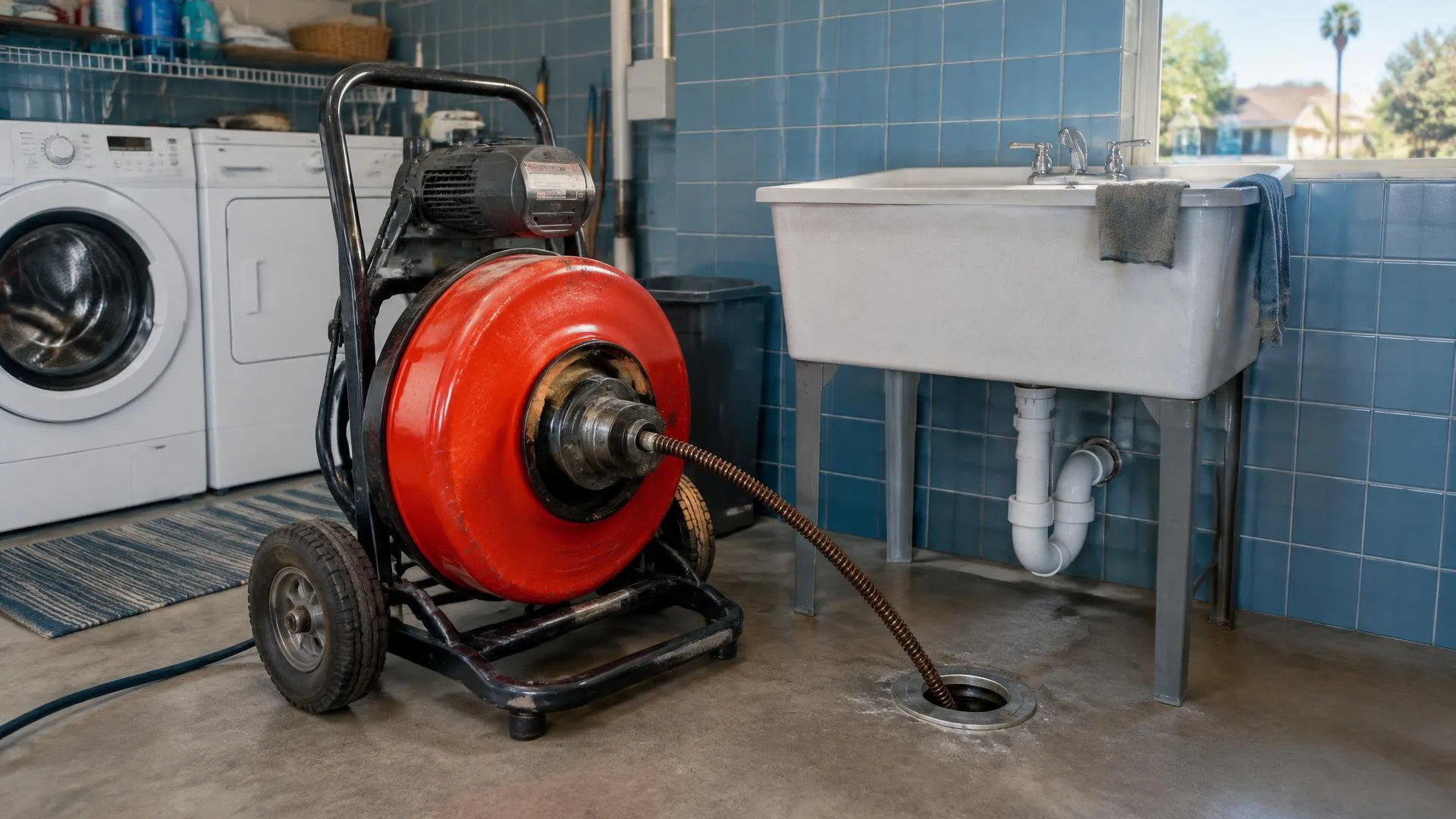
Choosing between a cable and hydro-jetting starts with the character of the restriction. A cable can be appropriate for reaching a discrete obstruction and breaking through or retrieving material. Hydro-jetting uses pressurized water to address deposits along the pipe interior, which may make it useful where grease or sludge has narrowed the available opening. Neither method is automatically the stronger choice simply because a blockage is severe. Access, pipe dimensions, and the suspected contents all influence the decision. For a Turlock drain problem, we explain whether the immediate need is opening a passage, removing broader buildup, or learning more about the line before selecting equipment. Those are related goals, but they are not interchangeable.
The condition of the pipe is a separate consideration from the material blocking it. A line with cracks, significant displacement, or other deterioration may require a different approach from a sound pipe carrying heavy residue. Existing information, previous repairs, and visible access conditions help establish what is known. When uncertainty could affect the cleaning choice, a camera inspection may provide useful evidence, although standing water and dense obstructions can limit what the camera reveals. We do not treat high-pressure cleaning as a way to correct a collapsed section or restore missing structural support. Understanding those limits helps prevent an apparently thorough cleaning proposal from being mistaken for a repair to the pipe itself or its damaged connections.
Before cleaning, the recommendation should explain what the selected method is expected to remove and what it cannot resolve. During the work, unexpected resistance or evidence of deterioration may justify changing the plan rather than continuing with the original approach. Afterward, drainage response and any available inspection findings help determine whether the intended section was adequately addressed. Some lines benefit from attention to disposal habits or a maintenance discussion, while others need a repair evaluation because buildup is collecting at a physical defect. We separate those possibilities for you. Hydro-jetting can be a useful tool when conditions support it, but responsible service means choosing it for a reason rather than presenting it as necessary for every stoppage.
When Jetting May Be Worth Discussing
Certain symptoms suggest buildup along the pipe wall rather than a single obstruction. These signs can help start a conversation about the right cleaning method.
- Slow drains despite recent snaking
- Greasy residue in the kitchen line
- Sludge or debris on retrieved cable
- Gradual slowing over weeks or months
- Odors tied to buildup
- Pipe condition still unknown
Choose the Right Cleaning Method in Turlock
Describe the symptoms and what has already been tried. We will help decide whether a cable, jetting, or an inspection first makes the most sense.
Drain & Sewer questions
Frequently Asked Questions
No. A cable handles many discrete clogs well, while jetting suits buildup along the pipe wall. The better choice depends on the blockage and the pipe, not on which tool sounds stronger.
High pressure can be unsuitable for fragile or damaged pipe. That is why condition matters, and why a camera may be recommended before jetting when the line's state is unclear.
Grease, sludge, and heavy residue that narrows the line are typical candidates. A single object or a root mass may call for different tools.
It can remove some root material, but roots often return if the entry point remains. We discuss that possibility and whether the underlying opening needs to be addressed.
Not always, but it helps when the pipe's condition is uncertain or the problem repeats. The picture informs whether jetting is a reasonable choice.
Make sure we can reach the affected fixture and any cleanout. Tell us what symptoms you have noticed and whether chemicals were used, so we can plan safely.