
Turlock
Ask What the Camera Actually Shows
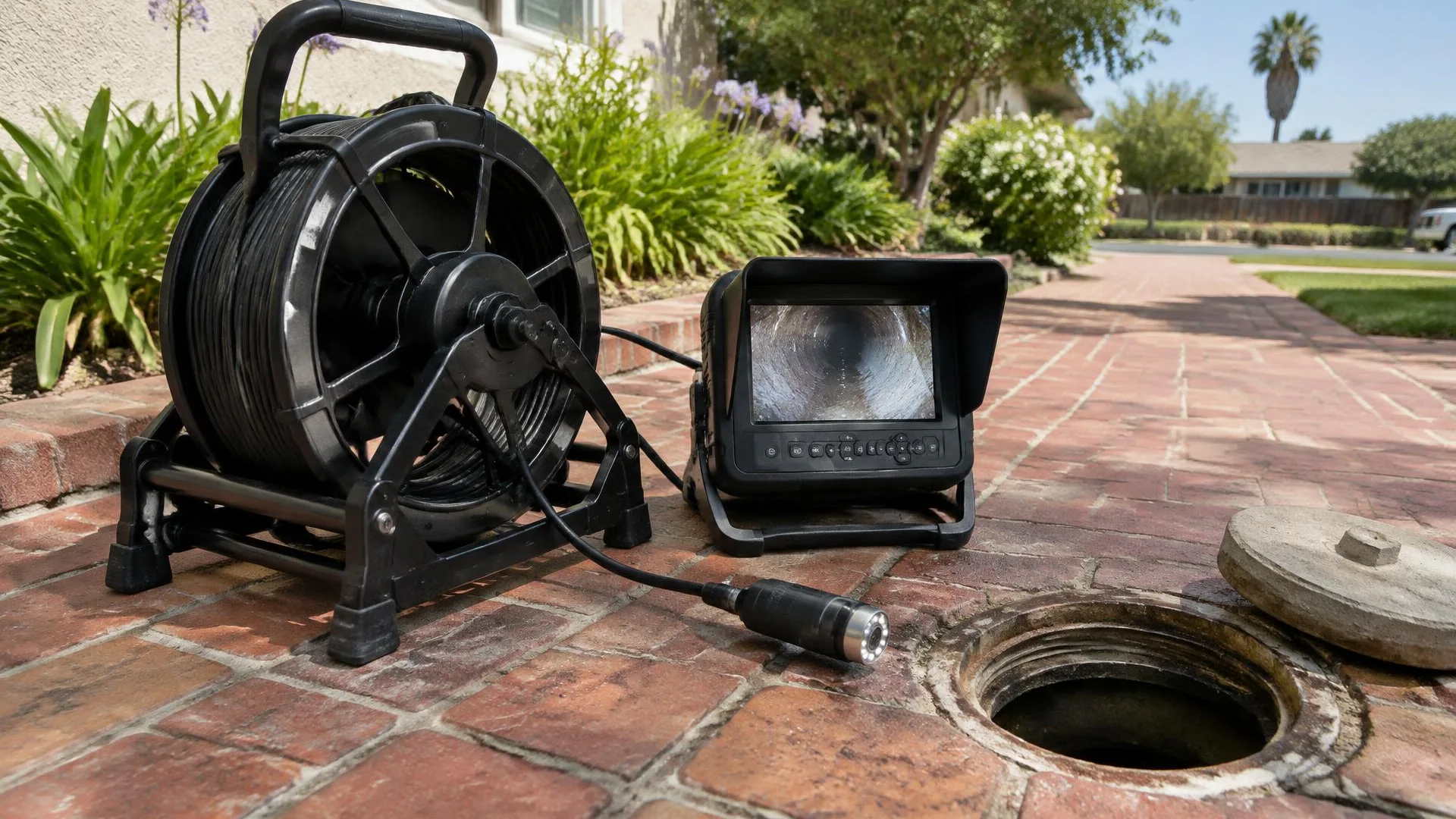
Roots and debris can both be blamed for a stubborn drain, but those labels should come from evidence rather than habit. All American provides camera inspections in Turlock to view drain and sewer interiors and record visible conditions. The footage can reveal roots, buildup, cracks, or bellies along the route inspected. Ask what features support the explanation, where the condition appears, and whether visibility is good enough to distinguish the observed material from a suspected pipe defect.
- Visible root intrusion inspection
- Buildup and debris observation
- Crack identification where visible
- Main sewer video assessment
What we handle
Separate the Material From the Pipe Condition
Finding something inside a sewer line is only part of the explanation. The inspection should distinguish visible material, the surrounding pipe, and any uncertainty about how the two relate. That distinction matters when comparing clearing needs with possible repair work.
Since 2001
Serving the Central Valley
- 01Visible root intrusion inspection
- 02Buildup and debris observation
- 03Crack identification where visible
- 04Main sewer video assessment
- 05Above-ground concern locating
- 06Recorded evidence explanation
Begin by describing the drainage problem without assigning a cause. Recurring clogs, gurgling, and odors are reasons to investigate, not proof of root intrusion. A camera provides a different kind of evidence by showing the interior along its path. Ask the plumber to point out the visual features being identified and explain whether the image clearly supports the description or whether material, water, or restricted travel limits confidence in that interpretation.
If roots are visible, ask how the surrounding area appears and whether a joint or crack can actually be assessed. The presence of roots and the exact condition of the pipe are related questions, but they should not be collapsed into one unsupported conclusion. Likewise, buildup can obscure the wall behind it. A useful explanation identifies the observed material while stating which parts of the pipe remain difficult to evaluate in the available view.
All American records camera inspections and can locate a problem from above ground. Those capabilities help connect the visible condition to a practical repair discussion without treating every deposit as evidence for replacing the line. Ask what the proposed work addresses: material within the pipe, an identified structural concern, or an area needing further investigation. Keep the footage and its context together so a later conversation can distinguish documented observations from possibilities that were never confirmed.
Symptoms That Need Evidence, Not Labels
The same drainage complaint may be blamed on different causes. Bring the actual symptoms and previous explanations so the inspection can test those assumptions against what is visible.
- A recurring clog called a root problem
- Unclear explanations after earlier clearing
- Several slow drains without a diagnosis
- Odors accompanying repeated backups
- Questions about material seen in a line
- A repair recommendation without reviewed footage
Review the Evidence Behind the Recommendation
Contact All American about camera inspections in Turlock. Ask to discuss visible material, surrounding pipe condition, and remaining uncertainty before choosing work based on a general label.
Sewer Camera Inspections questions
Frequently Asked Questions
Not reliably. Similar symptoms can arise from different conditions. A camera inspection can provide direct visual evidence where the line is accessible and visible, allowing the explanation to rely on observed features rather than drainage behavior alone.
Not always. The surrounding joint or wall may be obscured or difficult to view. Ask whether an entry area was actually visible and distinguish that finding from a reasonable possibility that has not been confirmed by the footage.
Material covering the pipe interior can limit assessment of the underlying surface. The inspection explanation should say which portions are visible and which are obscured rather than presenting covered areas as though their condition has been established.
Yes. Reviewing the relevant image helps you understand the recommendation. Ask where it appears, how clear the view is, and what the observation supports, especially if that feature is being used to justify a significant repair decision.
No single label establishes the appropriate scope. Material inside the line and the condition of the pipe are separate considerations. Ask which confirmed finding supports replacement and whether another task is intended only to address the obstruction.
The recording is most useful with an explanation of access, location, and visibility limits. That context helps you or another reviewer understand what was observed without turning an unclear image or suspected condition into an unsupported conclusion.