
Patterson
Troubleshoot the Function That Has Changed
A treatment system that seems different does not always need complete replacement. All American helps Patterson homeowners organize softener, filter, and RO concerns around the function that changed: hardness reduction, taste treatment, delivery flow, or equipment operation. Existing systems can be reviewed even when their installation history is incomplete. Model information, maintenance records, and a clear symptom timeline help separate serviceable issues from questions about suitability or the broader plumbing arrangement.
- Softener performance review
- Filter function troubleshooting
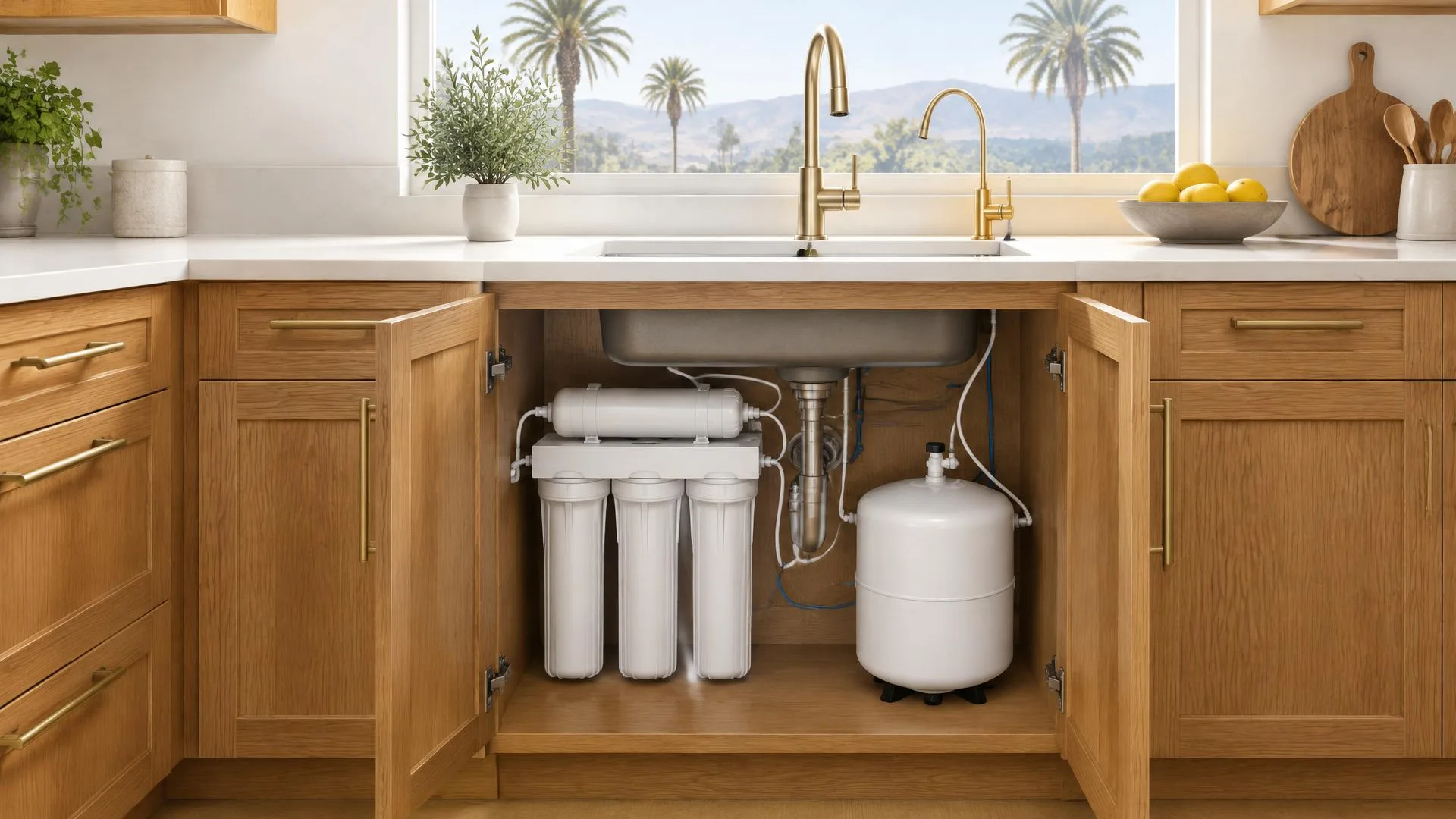
- RO operating assessment
- Control message interpretation
What we handle
Use a Symptom Timeline Instead of Guessing at Parts
Troubleshooting becomes more useful when observations are tied to the system's intended purpose. A control message, reduced flow, and changing taste are different clues. Combining them with maintenance history and relevant testing helps determine which stage needs attention before parts or equipment are selected.
Since 2001
Serving the Central Valley
- 01Softener performance review
- 02Filter function troubleshooting
- 03RO operating assessment
- 04Control message interpretation
- 05Existing system service review
- 06Repair versus replacement discussion
Write down when the concern began and whether it followed a filter change, power interruption, valve adjustment, or long period without maintenance. Identify whether every treated outlet is affected or only one. A taste change at an RO faucet is not the same complaint as hardness returning downstream of a softener. Naming the function avoids treating all water-conditioning symptoms as evidence of one generic equipment failure.
All American services softeners, filtration, and RO systems, including filter changes, troubleshooting, and resin replacement where appropriate. The review may involve controls, consumables, water routing, or the condition of a serviceable component. Parts availability and the existing equipment's design matter. Repair and replacement should be compared in relation to the findings and treatment goals rather than assuming the newest equipment is the only practical answer.
Before the visit, photograph labels and displays without opening pressurized or electrical components. Gather previous reports and note any owner adjustments. Do not reset every setting or discard removed parts before their relevance is understood. If water is leaking, avoid contact with nearby electrical equipment and describe the condition promptly. After assessment, ask what caused the observed problem, what work addresses it, and which routine checks could help identify a similar issue earlier without turning the homeowner into a technician.
Changes That Benefit From a Clear Record
A short timeline can be more informative than a suspected part name. Record these changes and any recent work so the assessment can connect the symptom to the correct treatment stage and operating history.
- New error or alarm message
- Performance changing after maintenance
- RO delivery becoming slower
- Hardness reduction no longer evident
- Unexpected equipment cycling
- Leakage near a service connection
Describe Your Patterson Treatment System Concern
Contact All American with the equipment model, symptom timeline, and recent maintenance details. Organized information supports a more focused discussion of testing, serviceable components, and whether any equipment changes deserve consideration.
Water Conditioning questions
Frequently Asked Questions
Explain what changed in normal use and when it began. Identify the affected outlet or equipment stage and any recent service. That description is generally more useful than naming a suspected failed part without supporting observations.
Water delivery does not establish that treatment is functioning as intended. Record the exact message and consult the product guidance or service provider. Avoid clearing it repeatedly without understanding what condition the equipment is reporting.
Not necessarily. Several equipment and supply conditions can affect delivery, including filters and storage components where present. Review the configuration and service history before treating the membrane as the cause or replacing it without evaluation.
Existing systems can be discussed for service and troubleshooting, including many major brands. The model, condition, parts availability, and installation arrangement help define what is practical. Provide labels and any service history when requesting assistance.
Do not erase settings or messages simply to start over. The existing information may help explain the problem, and appropriate programming depends on the installation. Record what you see and follow equipment-specific guidance before making changes.
Compare the identified fault, equipment condition, available service parts, and whether the system still fits the treatment goal. Replacement should solve a defined problem, not merely substitute new hardware for an unresolved question about water characteristics or layout.