
Patterson
Plan the Plumbing Behind the New Fixtures
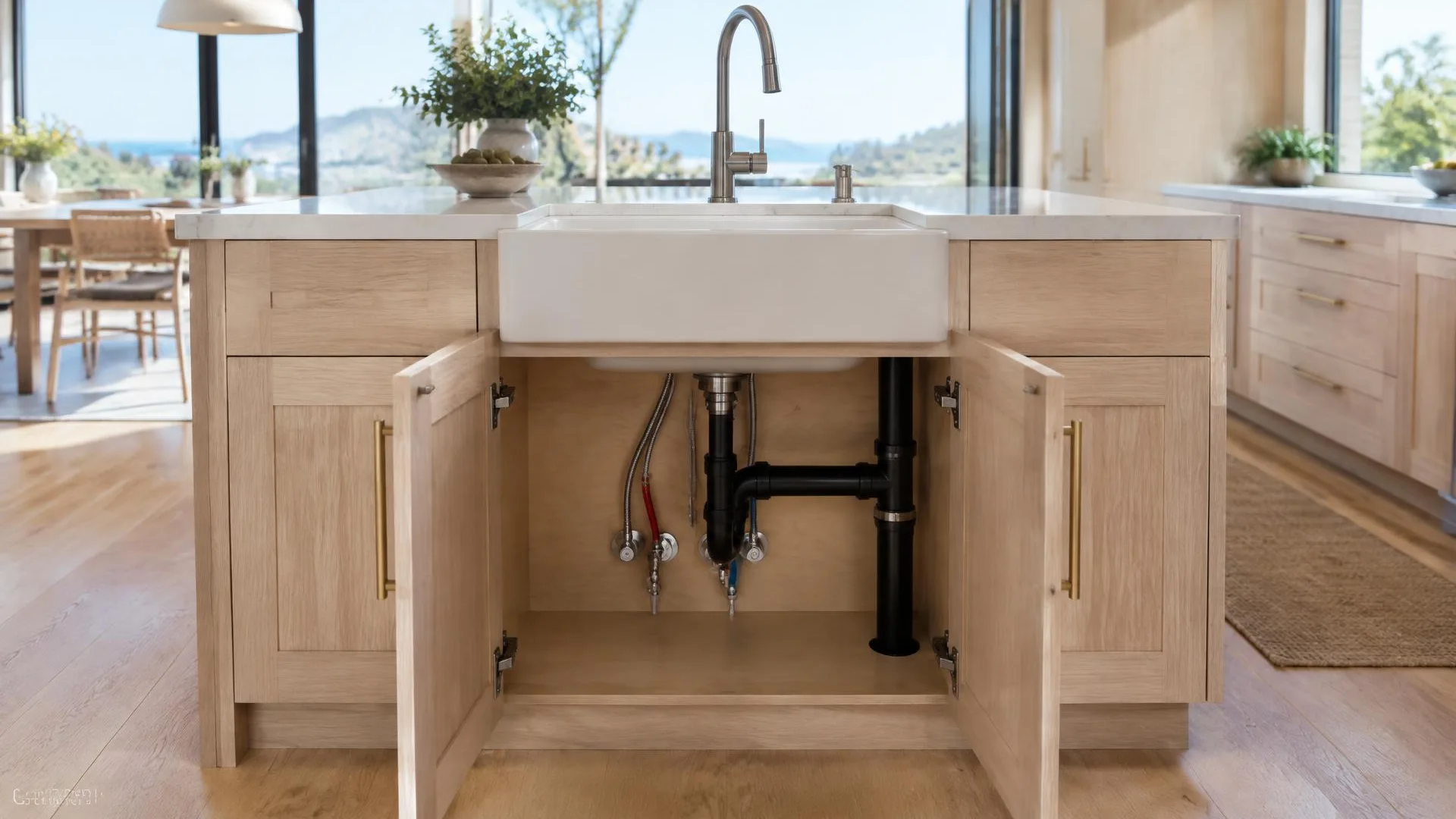
New finishes can make old plumbing questions easy to overlook. If you are remodeling in Patterson, discuss existing connections and fixture needs before treating the plumbing as a final detail. All American's services include faucets, toilets, pipe repair, water line replacement, and repipes. Explain what fixtures are staying, what is changing, and whether any leaks or delivery problems already exist. That separates the remodel's design goals from repair needs that deserve their own investigation and scope.
- Faucet replacement connections
- Toilet installation discussions
- Existing leak investigation
- Pipe repairs within the project area
What we handle
Separate Existing Problems From Planned Changes
A remodel can expose useful plumbing questions without proving that every existing component needs replacement. The important distinctions are what already fails, what must change for the selected fixtures, and what remains outside the proposed plumbing work when surrounding finishes are completed.
Since 2001
Serving the Central Valley
- 01Faucet replacement connections
- 02Toilet installation discussions
- 03Existing leak investigation
- 04Pipe repairs within the project area
- 05Water line replacement planning
- 06Repiping questions during remodeling
Start with the fixtures and connections involved rather than the appearance you want to achieve. A faucet change, toilet replacement, and relocation of water lines raise different plumbing questions. Tell the plumber which parts of the layout are fixed and which remain undecided. Avoid assuming that a new fixture will connect to every existing arrangement without adjustment, particularly when cabinetry or other surrounding work may affect access to the final connections.
Use the planning stage to describe existing symptoms honestly. A slow drip, inconsistent hot water, or recurring pipe repair should not disappear from the discussion simply because the project is focused on finishes. All American provides leak detection, fixture work, pipe repair, and water line replacement. Those services can be discussed according to the actual findings, while keeping the repair of an established problem separate from changes driven mainly by the new layout.
Before access is closed, make sure the plumbing scope and remaining questions are understood. Clarify what work relates to selected fixtures, what existing piping stays, and whether any identified concern requires another decision. Do not assume that the plumbing scope includes every surrounding trade or finish. A clear boundary helps the remodel proceed with fewer misunderstandings and keeps an optional improvement from being confused with a repair needed to address a confirmed leak or damaged line.
Questions to Raise Before Finishes Close
Bring the intended fixture choices and known plumbing symptoms into the same conversation. They may affect one project, but they should not be mistaken for the same underlying requirement.
- A fixture changing location
- New cabinetry limiting connection access
- An existing drip in the project area
- Uncertain condition of exposed supply piping
- Different connections on selected fixtures
- A broader replacement proposed during remodeling
Connect the Design to a Defined Plumbing Scope
Contact All American about plumbing in Patterson. Describe the planned fixture changes and existing concerns so necessary repairs and remodel-driven connection work can be considered separately and clearly.
Plumbing questions
Frequently Asked Questions
Share your intended choices early enough to discuss their connection requirements and access. A final selection may affect the work, so avoid assuming that every replacement fixture will fit the existing arrangement without changes or further questions.
Exposure alone does not establish failure. Ask what the visible condition and project requirements support. Existing problems, layout changes, and optional replacement are different reasons for work and should be explained separately before deciding on the scope.
New finishes do not resolve the plumbing source of moisture. Report existing drips or recurring dampness before work is enclosed, and distinguish the repair needed for that problem from the fixture changes you want for the remodeled space.
Explain the proposed location and ask what plumbing changes it requires. Also discuss access and the limits of the plumbing work rather than assuming a relocation involves only reconnecting the visible fixture after the surrounding construction is finished.
Mention any existing hot water problem and explain whether the planned use is changing. That does not automatically justify different equipment, but it prevents a delivery complaint from being overlooked while attention stays on visible bathroom fixtures.
Ask which tasks correct a confirmed defect and which support your preferred layout or fixture selection. Keep those purposes visible in the scope so you can evaluate optional changes without losing track of necessary plumbing repairs.