
Patterson
When Several Fixtures Tell a Related Story
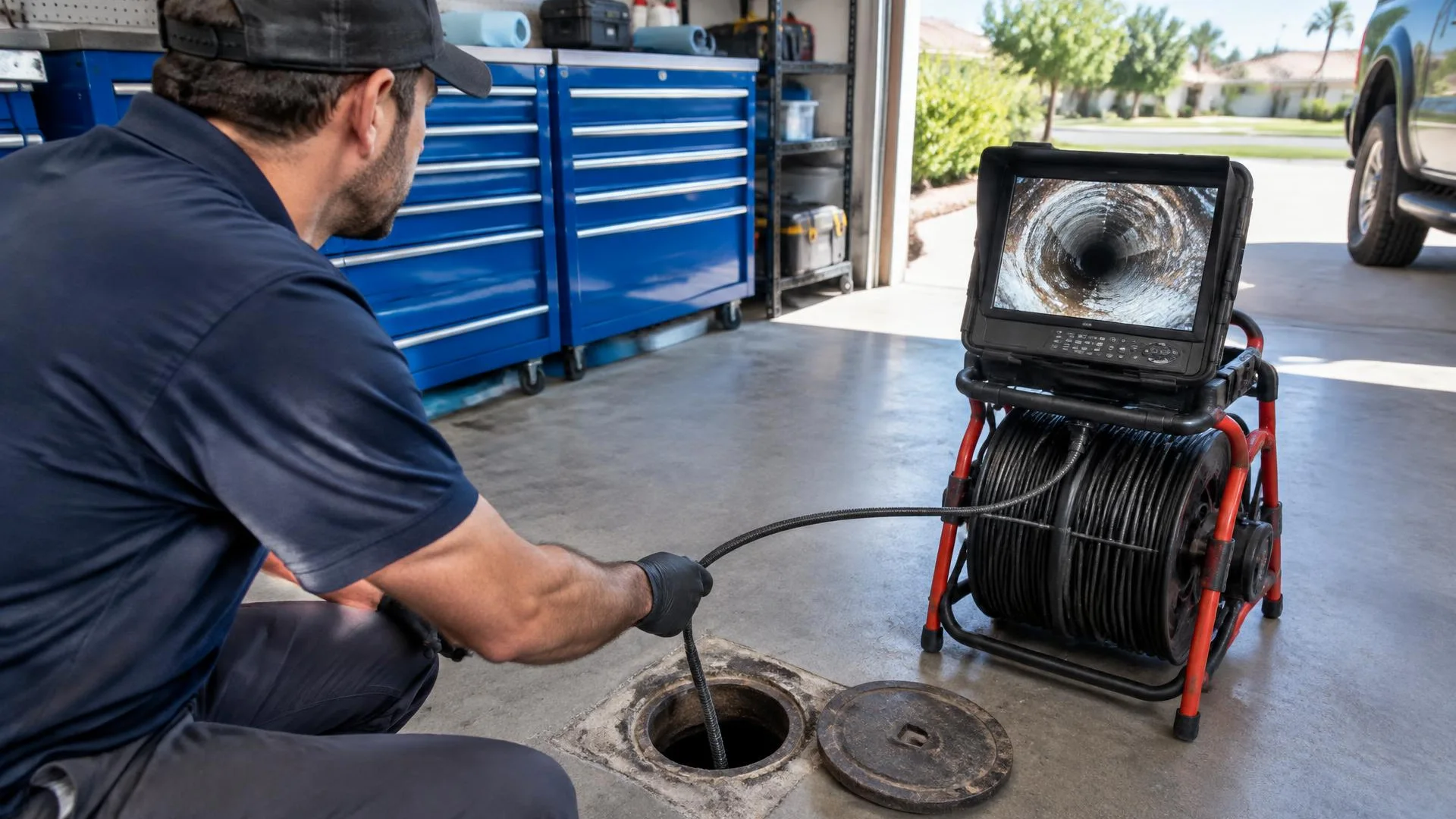
A gurgling toilet and a slow sink may seem like separate annoyances until they occur together. All American provides camera inspections in Patterson to investigate drain and sewer interiors, record visible findings, and locate identified problems from above ground. Describe which fixtures react first and whether they change during another fixture's use. Shared timing can help frame the investigation, but it does not prove a main-line defect or establish the condition of every branch without the relevant camera view.
- Multi-fixture drainage investigation
- Main sewer camera inspection
- Visible root and buildup review
- Crack and belly observation
What we handle
Connect the Symptoms Without Assuming the Layout
Multiple affected fixtures can make the drainage concern broader than one outlet, but the pattern still needs interpretation. Camera inspection should relate visible conditions to the inspected route and distinguish that route from branches or shared sections that were not actually viewed.
Since 2001
Serving the Central Valley
- 01Multi-fixture drainage investigation
- 02Main sewer camera inspection
- 03Visible root and buildup review
- 04Crack and belly observation
- 05Above-ground problem locating
- 06Recorded route and findings explanation
Begin with a fixture-by-fixture account. Note which drains slowly, which gurgles, and whether a symptom appears when water is used elsewhere. The sequence is often easier to understand than a general statement that everything backs up. Include fixtures that continue to operate normally, because that comparison can help define the complaint. Do not assume that rooms next to each other necessarily reveal the exact route or connection arrangement of the concealed drainage piping.
The camera enters through an existing cleanout or fixture and shows conditions along the path it reaches. Visible roots, deposits, cracks, or bellies may help explain a problem affecting more than one outlet. Ask how that section relates to the reported fixtures and which branches remain outside the view. A finding in a common route can be relevant without establishing the condition of every connected branch, so the coverage explanation remains important.
Recorded footage and above-ground locating can make the repair discussion more concrete when a concern is identified. Still, one visible issue should not be assumed to explain every symptom without a clear connection. Ask whether the recommendation addresses the shared pattern or a separate local problem. Keep the symptom history with the recording, especially if different fixtures have behaved differently over time. This helps future discussions distinguish a common drainage concern from unrelated fixture-specific trouble.
Notice Which Fixtures React Together
Describe ordinary interactions rather than creating a deliberate backup. The first affected fixture, sequence of gurgling, and unaffected outlets can help explain the shared pattern you are experiencing.
- A toilet gurgling during sink use
- Several drains slowing in sequence
- One backup affecting nearby fixtures
- Odors accompanying multi-room drainage trouble
- Recurring symptoms after one drain is cleared
- Different branches behaving unevenly
Bring the Whole Pattern Into View
Ask All American about camera inspections in Patterson. Explain which fixtures react together so the inspected route and visible findings can be discussed in relation to the shared symptoms.
Sewer Camera Inspections questions
Frequently Asked Questions
No. They establish a broader symptom pattern worth investigating, not a specific defect. Camera footage can provide visible evidence along the inspected route, while the explanation should distinguish observed pipe conditions from assumptions based only on multiple affected fixtures.
Unaffected fixtures help describe the boundaries of the complaint. That information may be useful when relating symptoms to the inspected route, especially when the property layout or branch connections are not yet clear from the available access.
Not automatically. Access, direction, and pipe layout determine the route viewed. Ask which sections were inspected and avoid treating a main-line view as confirmation that every branch leading from individual fixtures has also been assessed.
It describes an interaction worth reporting, but it does not identify the cause on its own. Note which fixture was used and which reacted, then let the inspection findings guide the explanation rather than assuming a particular underground failure.
No. Describe what has occurred during ordinary use rather than deliberately producing another overflow. A clear timeline and fixture list can communicate the concern without exposing the property to additional wastewater or complicating access to the area.
It should connect the visible finding with the affected route and symptom pattern. Ask what nearby sections were viewed, what remains uncertain, and whether a separate local fixture problem falls outside the proposed work rather than assuming one task addresses everything.