
Newman
Decide Whether the Problem Is Local or Broader
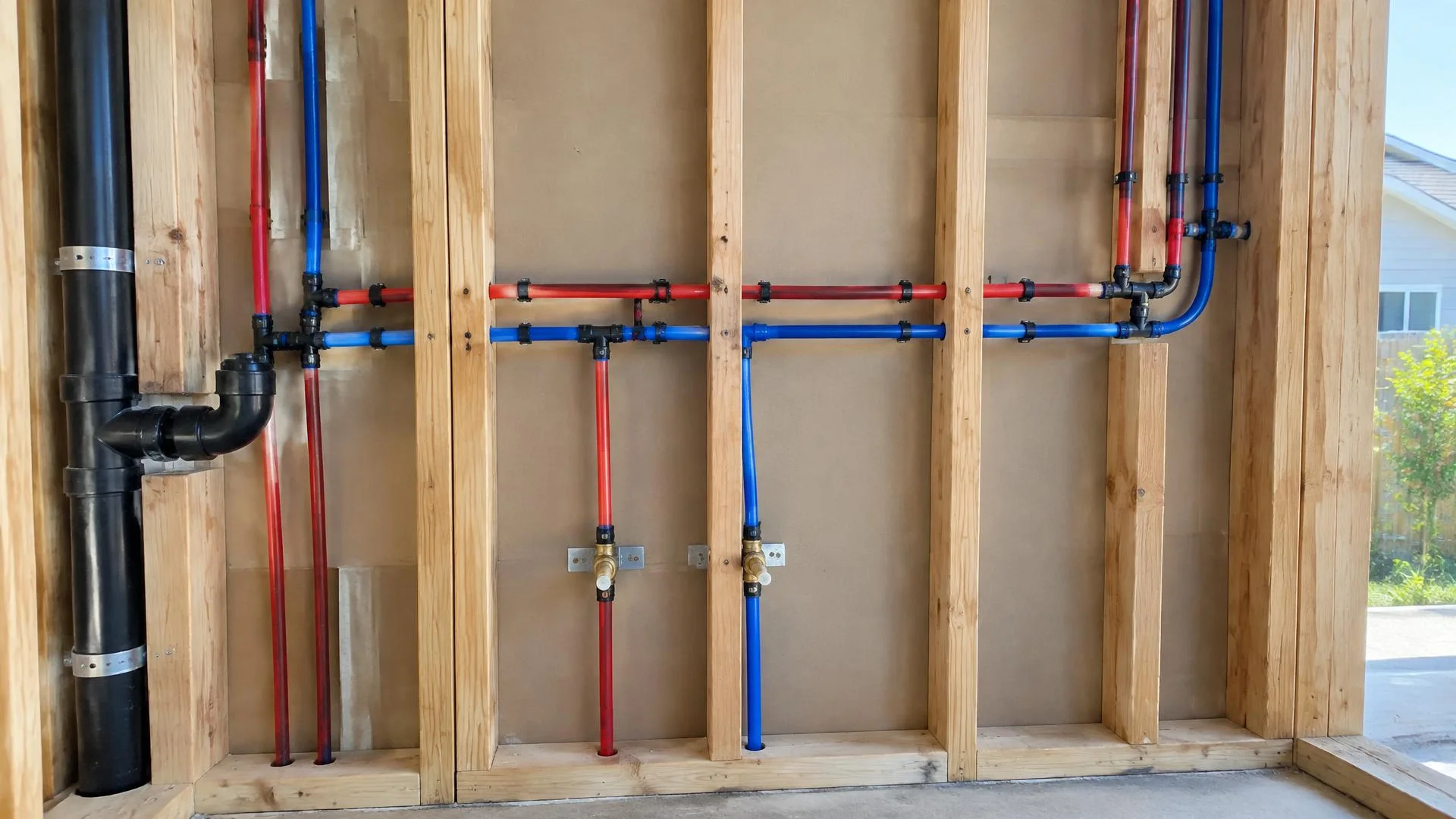
Repiping is a larger decision than repairing one leaking connection, and the reasons for considering it should be clear. All American provides plumbing in Newman, including leak detection, pipe repair, repipes, and water line replacement. Begin with the evidence: where failures occurred, what previous work addressed, and whether current concerns affect more than one area. A useful discussion compares the limits of a targeted repair with the purpose of broader replacement without assuming either is automatically preferable.
- Recurring leak history review
- Localized pipe repair options
- Whole-project repipe discussions
- Water line replacement
What we handle
Evaluate Replacement Against the Actual Findings
The number of repairs alone does not explain the condition of every pipe. A repipe conversation should consider whether failures share a pattern, how much piping is implicated, and what each option would accomplish for the specific concerns being investigated.
Since 2001
Serving the Central Valley
- 01Recurring leak history review
- 02Localized pipe repair options
- 03Whole-project repipe discussions
- 04Water line replacement
- 05Leak detection for current symptoms
- 06Replacement scope and access planning
Gather the history you know without trying to reconstruct every plumbing change in the home. Locations of previous leaks, repair descriptions, and recurring symptoms can help reveal whether the current issue resembles an earlier one. Two unrelated fixture failures are not the same evidence as repeated problems along an identified section of pipe. Keeping those histories distinct prevents a collection of miscellaneous repairs from being treated as a complete diagnosis of the supply system.
Ask what has actually been observed about the piping under discussion. Visible condition, identified failures, and the location of affected lines should inform the comparison between repair and replacement. All American includes both pipe repair and repiping in its service scope, so the conversation can address different levels of work. The important question is why a particular scope fits the findings, not whether a larger project sounds more comprehensive in the abstract.
Access and boundaries also matter. Clarify which lines a proposed replacement includes, what existing piping would remain, and how the work relates to the immediate leak or delivery complaint. A focused repair can have a clear limited purpose, while broader replacement should have an equally clear rationale. Keep optional changes separate and ask about unresolved concerns. That approach supports a decision based on the identified system condition rather than fear of every possible future failure.
Reasons to Discuss More Than One Option
A broader conversation can be useful when repair history and current findings overlap. Bring records if available, but distinguish confirmed pipe failures from fixture issues or unexplained symptoms.
- Repeated leaks in an identified line
- Several documented pipe repairs
- Unclear boundaries of earlier replacement
- A repair recommendation beside broader concerns
- Delivery problems affecting multiple outlets
- Questions about piping left in place
Compare Scope Before Committing to Scale
Talk with All American about plumbing in Newman. Share your repair history and current concerns so a targeted fix and broader pipe replacement can be evaluated for different purposes.
Plumbing questions
Frequently Asked Questions
Not automatically. The type and location of those repairs matter. Several unrelated fixture issues do not establish the same pattern as repeated failures in connected piping, so the history should be evaluated alongside the current findings.
It should explain which piping is included, what remains, and why that scope responds to the identified concerns. Ask how access will be approached and which related tasks need separate discussion rather than assuming everything is included.
A localized repair may fit an isolated problem, depending on the findings. Its limited scope should be clear, including any separate concerns it does not address. Choosing between options requires understanding their purposes rather than comparing project size alone.
They should not be treated as interchangeable with pipe failures. Faucets, toilets, and their connections can develop their own problems. Ask whether the evidence concerns a fixture component, a particular line, or a broader piping condition.
Share what you remember and distinguish certainty from recollection. Approximate locations and recurring symptoms can still be useful, but unknown history should not be presented as confirmed evidence that every part of the plumbing needs replacement.
Ask for the specific problem each section of proposed work addresses. Separate current leaks, delivery complaints, and optional changes, then clarify which findings support broader replacement and which uncertainties would remain regardless of the option selected.