
Newman
Define Backup Priorities Before Equipment
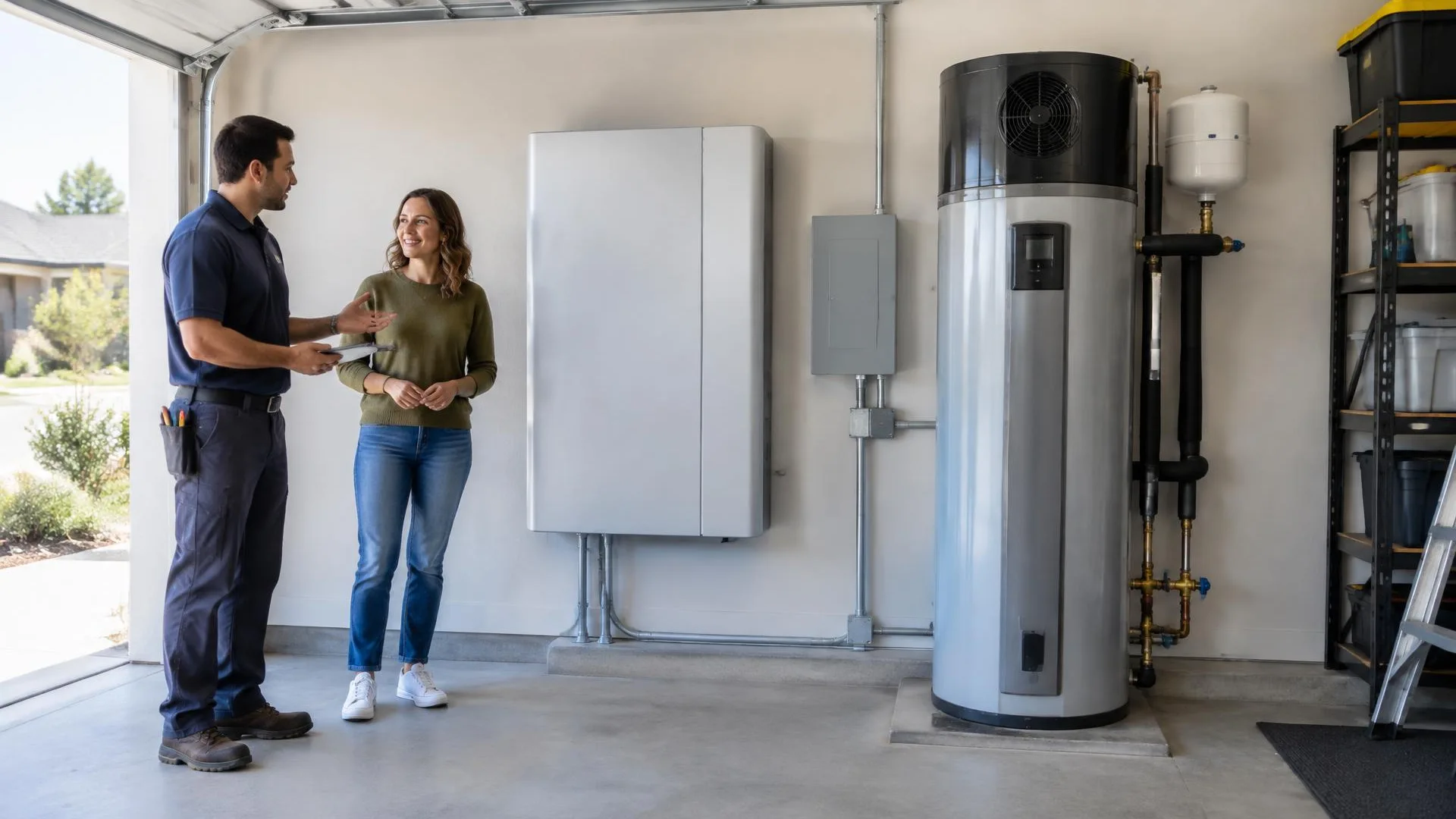
Battery planning begins with deciding what you want supported, not assuming every electric appliance will operate during an outage. In Newman, our electrification discussion connects future appliance choices with practical backup priorities. Heating, cooling, water heating, refrigeration, and other uses can place very different demands on a storage design. We help clarify those expectations so electrical assessment and equipment coordination follow an explicit scope rather than a vague promise of whole-home resilience.
- Essential loads
- Priority setting
- Storage coordination
- Compatibility review
What we handle
Separate Everyday and Backup Needs
A home can be ready for an appliance in normal operation without that appliance being included in a backup system. Those are different design questions. We review how electrification plans intersect with essential loads, operating priorities, and the equipment needed to support the intended arrangement.
Since 2001
Serving the Central Valley
- 01Essential loads
- 02Priority setting
- 03Storage coordination
- 04Compatibility review
- 05Future demand
- 06Scope clarity
The first conversation identifies which household functions matter most during an interruption and which can wait. That priority list should be specific enough to distinguish a few essential circuits from broad expectations about heating or cooling the entire home. Anticipated outage operation is not the same as normal daily use. Clarifying the difference helps keep battery planning grounded and prevents optional appliance conversions from being mistaken for guaranteed backup capabilities.
Qualified professionals evaluate the electrical configuration, proposed equipment, controls, and compatibility of any solar and storage arrangement. Battery power capability and stored energy address different aspects of operation, while appliance behavior can influence the design further. A preliminary equipment list does not establish runtime or confirm that every load can start and operate together. The proposal should describe which functions are included and which assumptions require detailed verification before an installation is approved.
The electrification roadmap can then account for future changes. Adding a heat pump or electric water heater later may warrant a fresh review of backup priorities rather than automatic inclusion in the existing storage scope. A heat pump water heater also retains its own air volume, condensate, and manufacturer-clearance requirements. We recommend keeping appliance installation and backup performance descriptions separate, with clear documentation of dependencies, exclusions, and decisions that should be revisited as the household's plans evolve.
Questions Behind Backup Goals
Discuss battery coordination when electrification raises outage concerns, proposed storage is described as whole-home backup, or future appliances may change the loads you expect the system to support during interruptions.
- Backup interest
- Critical functions
- Future HVAC
- Storage proposals
- Runtime questions
- Load priorities
Define Your Backup Scope
Arrange a Newman consultation to connect electrification plans with explicit backup priorities. We can discuss professional assessment and coordination without promising runtime, outage coverage, or compatibility before the design is evaluated.
Home Electrification questions
Frequently Asked Questions
That depends on the designed system and selected loads. Whole-home language can conceal important limitations, so ask which appliances are included, under what operating assumptions, and what restrictions apply. No universal backup capability follows from installing storage.
Start with the household functions you consider essential and explain their expected use. The design team can evaluate the implications. A ranked list is more useful than assuming normal daily routines must continue unchanged during every interruption.
No. The ability to supply a load and the time stored energy may support it are related but distinct questions. Both depend on the system and operating conditions, so a single headline specification does not describe every outcome.
They require review rather than automatic connection. Additional loads may change electrical, control, and energy considerations. Before a future heat pump or water heater is included, professionals should evaluate its requirements against the existing storage design and priorities.
No. Solar availability, system configuration, demand, and operating conditions all matter. Any description of backup behavior should identify its assumptions. Solar and storage coordination is important, but it does not justify a universal promise of uninterrupted service.
Not always. The projects can follow different schedules if their dependencies are documented. An appliance may be installed for normal operation while backup inclusion remains a separate future decision, subject to professional assessment and equipment compatibility.