
Newman
Build the Repair Discussion Around Visible Findings
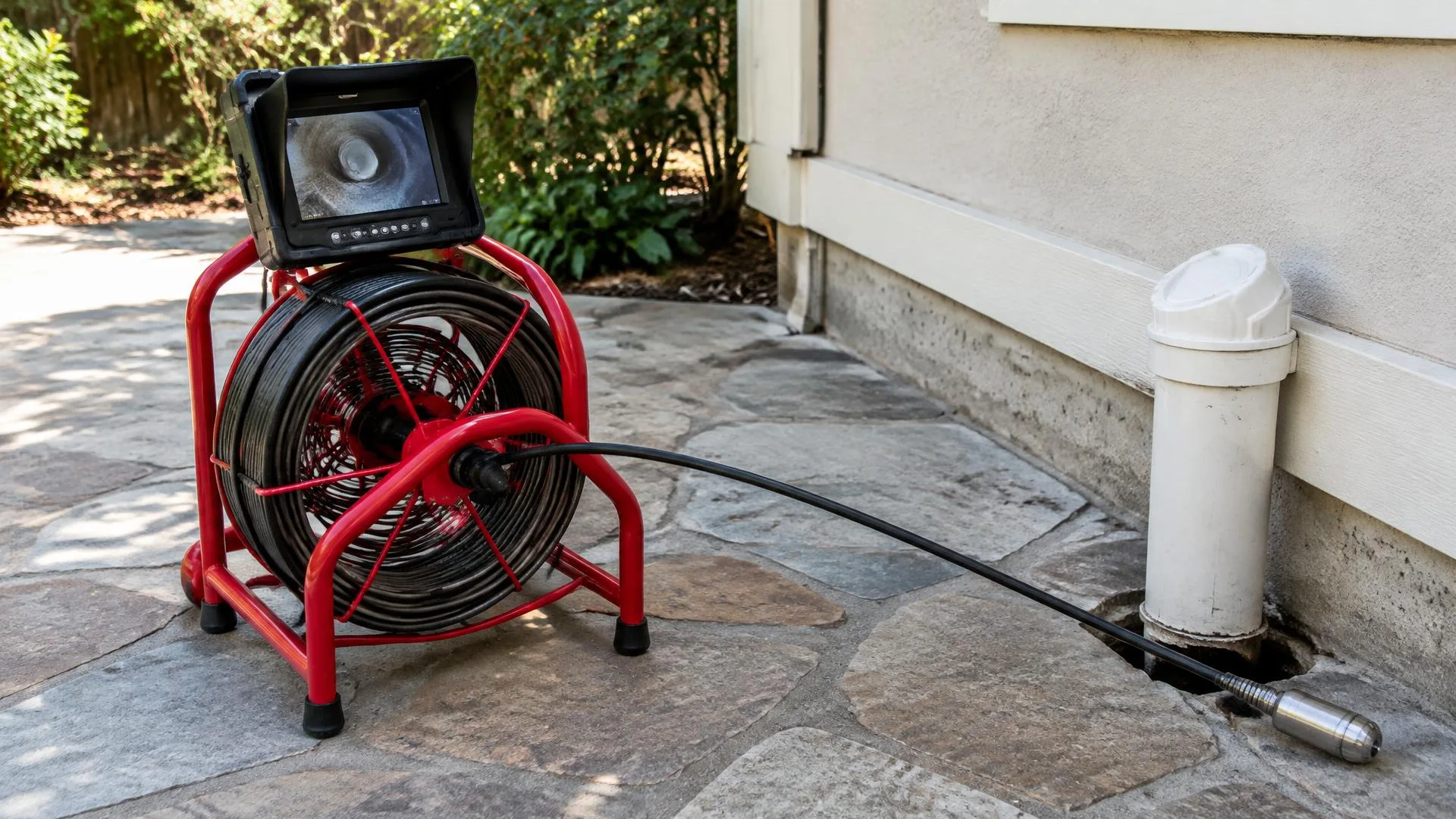
A sewer repair proposal should explain more than where the drains are slow. All American provides camera inspections in Newman that record pipe interiors and locate identified problems from above ground. Visible roots, cracks, buildup, or bellies can inform the next discussion, but each recommendation should connect to the actual footage. Ask what was inspected, which condition matters, and whether a proposed repair addresses that finding or depends on an area the camera could not clearly assess.
- Main sewer video assessment
- Recorded defect review
- Root and crack identification
- Above-ground problem locating
What we handle
Translate the Recording Into a Defined Scope
Camera evidence is a starting point for repair planning, not a substitute for explaining the work. A useful discussion connects the observed condition, its location, the surrounding inspected pipe, and the purpose of the proposed repair without filling unseen areas with assumptions.
Since 2001
Serving the Central Valley
- 01Main sewer video assessment
- 02Recorded defect review
- 03Root and crack identification
- 04Above-ground problem locating
- 05Inspection coverage explanation
- 06Evidence for repair scope discussions
First, establish the problem the repair is intended to solve. Recurring backups, several slow drains, and sewer odors may lead to inspection, but those symptoms do not identify the same repair automatically. Review the footage that supports the recommendation and ask how the visible condition relates to the complaint. A plan should be understandable in terms of the observed pipe, not only as a response to the inconvenience that prompted the service request.
Second, define the extent of the findings. If the camera shows one concern, ask what was visible before and beyond it. If an obstruction limited travel, the unviewed portion should remain part of the uncertainty rather than being described as confirmed. All American records footage and locates problem areas from above ground, helping connect the inspection with a practical scope while preserving the distinction between a located feature and the full condition of the line.
Finally, ask what the proposed task is expected to accomplish and what it leaves outside its boundaries. Addressing an identified defect, removing material, and investigating an unseen section are different objectives. Keep them separate when comparing options. The recording and explanation should remain available together so a later review can follow the reason for the chosen scope. That approach supports a repair conversation grounded in evidence without promising outcomes the inspection cannot establish by itself.
When the Proposed Work Needs a Clearer Basis
Before evaluating a sewer repair, understand which finding supports it. These questions often arise when the symptoms are clear but the relationship between footage and proposed scope is not.
- A replacement proposal without reviewed video
- A localized concern with unclear boundaries
- Different recommendations for the same symptoms
- An obstruction hiding additional line
- A repair location not clearly explained
- Questions about what nearby pipe showed
Ask What the Evidence Supports
Contact All American about camera inspections in Newman. Discuss the recording, location, and inspection limits together so any repair proposal can be evaluated against clearly explained findings.
Sewer Camera Inspections questions
Frequently Asked Questions
Understanding the relevant footage helps you evaluate the recommendation. Ask which condition was observed, how it relates to your symptoms, and whether the proposed work addresses that finding or relies on assumptions about areas that were not visible.
No. Location identifies where a concern lies, while scope explains the work intended to address it. Ask whether the finding affects one feature or a section and what surrounding pipe was inspected before the recommendation was developed.
Compare the observed condition each option addresses, their boundaries, and any remaining uncertainty. Options may serve different purposes, so a larger scope should not be assumed better without understanding the evidence and objectives behind each proposal.
The inspected section may still provide useful evidence, but the line beyond remains unconfirmed. Ask how that limitation affects the plan and whether additional information could change the recommended scope before treating the proposal as complete.
Yes. Material inside the line and a visible pipe defect are different findings, even when they occur together. A clear explanation identifies which task addresses which condition and avoids implying that one automatically resolves every drainage concern.
Keep the recording with the explanation of access, route, relevant location, and visibility limits. Those details preserve the reasoning behind the proposed scope and reduce reliance on memory when discussing the plan again or seeking clarification.