
Merced
Look Beyond the Next Temporary Clearing
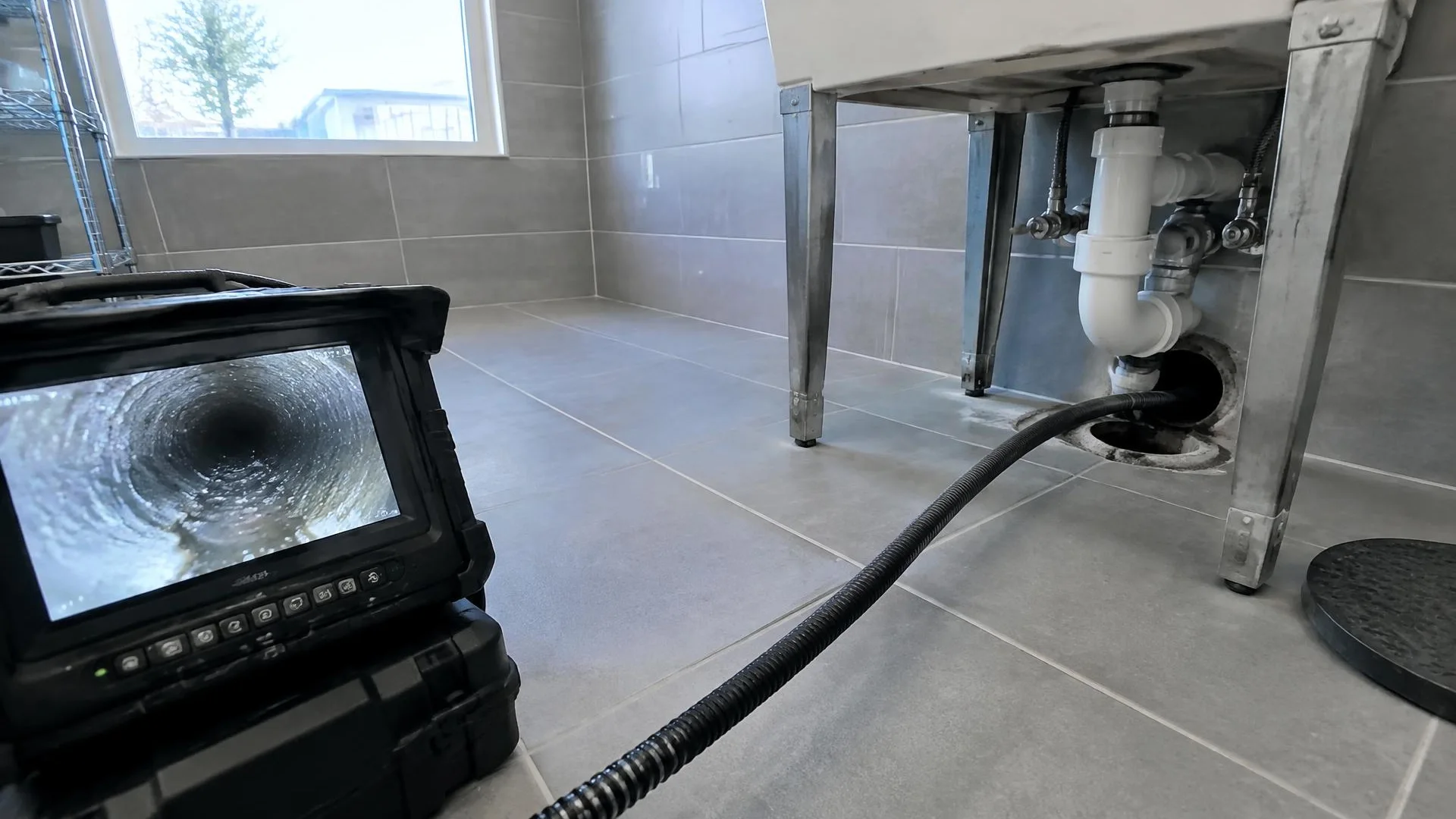
A drain that repeatedly slows after being cleared leaves an important question unanswered: what condition remains inside the line? All American provides sewer camera inspections in Merced to show visible roots, buildup, cracks, bellies, and other conditions along the inspected route. Explain how long improvement lasts and which fixtures become affected first. The goal is to connect the recurring pattern with observable evidence, then discuss repair needs without assuming that every repeat blockage has the same cause.
- Recurring blockage video investigation
- Main sewer line inspection
- Visible buildup assessment
- Root intrusion identification
What we handle
Use the Recurrence Pattern to Frame the Inspection
The interval between blockages is useful history, but it is not a diagnosis. Camera inspection adds a view inside the line so the conversation can move from repeated symptoms toward the visible conditions that may explain why drainage trouble returns.
Since 2001
Serving the Central Valley
- 01Recurring blockage video investigation
- 02Main sewer line inspection
- 03Visible buildup assessment
- 04Root intrusion identification
- 05Problem location from above ground
- 06Recorded findings for review
Begin with a timeline of the recurring problem. Note whether the same fixture slows first, whether other drains join in, and what previous clearing changed. Avoid treating every service event as identical if the symptoms differed. A kitchen sink that once drained poorly and a later multi-fixture backup may not represent the same issue. A clear history helps define which portion of the drainage system deserves attention during the camera inspection.
The camera can reveal visible material and pipe conditions that ordinary symptom descriptions cannot establish. Roots, deposits, cracks, or a belly may affect the repair conversation, but the footage must be interpreted within the section actually viewed. An obstructed or poorly visible area may leave questions unresolved. Ask whether the observed condition matches the recurring pattern and whether any important section beyond it remains unseen before considering the explanation complete.
Recorded footage provides something concrete to review when deciding what comes next. All American also locates identified problems from above ground, supporting a more specific repair discussion. Clearing a blockage and correcting a pipe condition are different objectives; one may restore passage without addressing the reason trouble returns. Ask which objective a proposed task serves, what evidence supports it, and whether the findings justify focused repair or further investigation rather than another assumption about the whole line.
Patterns Worth Bringing to the Inspection
A short history can explain more than the latest backup alone. Note the first affected fixture, the length of improvement, and any change in how the problem returns.
- Clogs returning after clearing
- The same fixture slowing first
- Several drains becoming affected together
- Gurgling preceding another blockage
- Odors returning with poor drainage
- Shorter intervals between drainage problems
Find Out What the Repeated Clearing Has Not Explained
Ask All American about camera inspections in Merced. Share the recurrence history so the footage can be discussed in relation to the pattern, not just the latest blockage.
Sewer Camera Inspections questions
Frequently Asked Questions
No. Recurrence can have different explanations, and symptoms alone do not distinguish roots from deposits or pipe conditions. Camera footage can provide visible evidence along the inspected section instead of treating one possible cause as confirmed.
That interval helps describe the pattern and what earlier work accomplished. It does not reveal the cause by itself, but it helps distinguish brief relief from a different problem that appeared much later under other circumstances.
Inspection and clearing are different tasks. The camera is used to observe and record conditions, not to substitute for drain clearing. Ask whether the current obstruction affects access or visibility and how that limitation changes the inspection plan.
The inspection may still show visible pipe conditions or remaining material, but conclusions depend on what can be seen. Ask whether the findings explain the recurring symptoms and whether any relevant section remains outside the camera's view.
Not automatically. The findings should support the recommended scope. Ask whether a specific defect was observed, where it is located, and why the proposed work addresses recurrence rather than simply responding to the fact that another clog occurred.
Keep it with the symptom history and explanation of the inspected route. Together they provide context for future repair discussions and help distinguish documented conditions from assumptions made during earlier attempts to restore drainage.