
Madera
Prepare Without Taking Equipment Risks
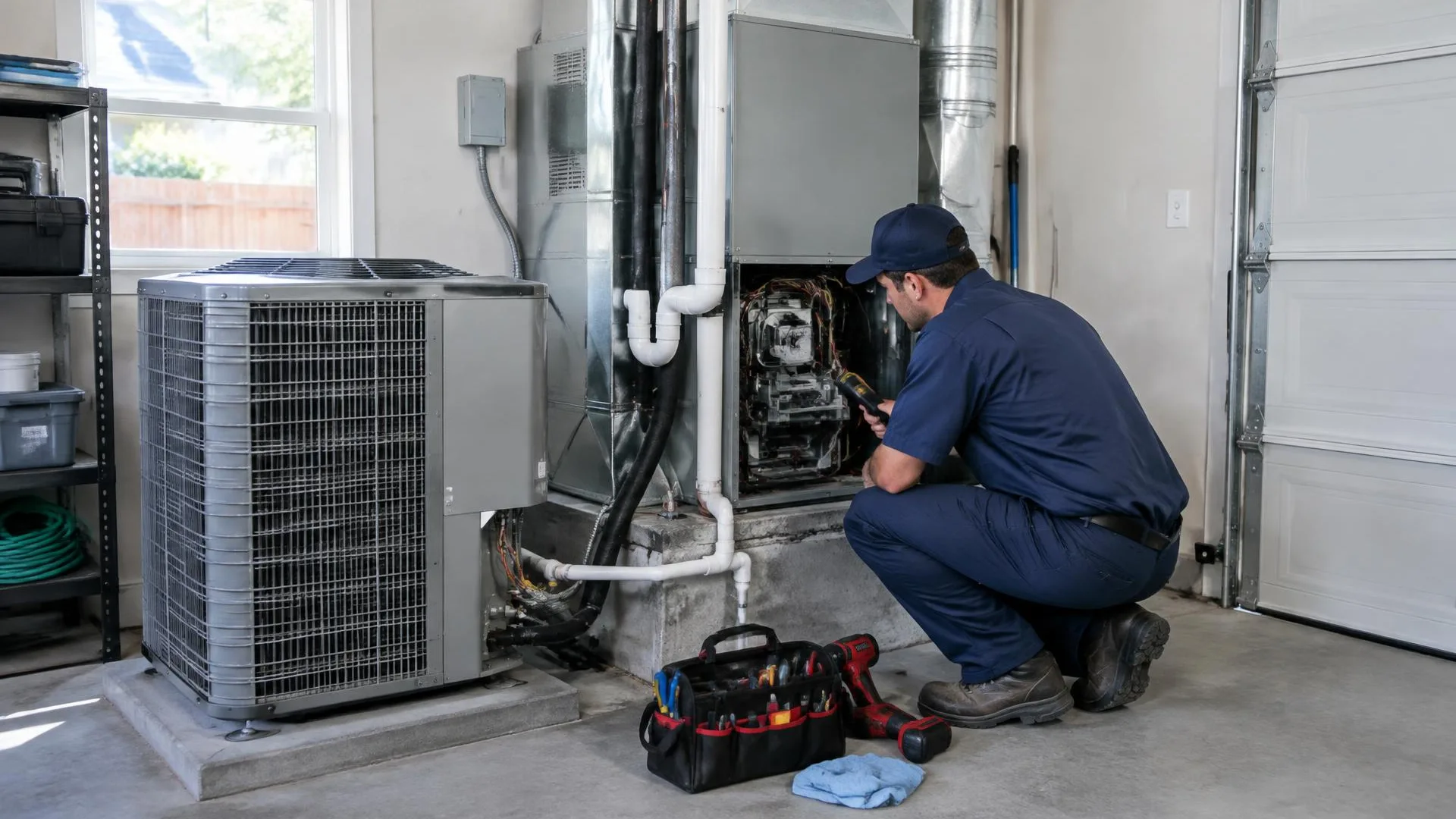
Good preparation for an emergency AC visit means making the situation clear and accessible, not attempting the repair yourself. All American helps Madera homeowners arrange cooling evaluations with useful symptom information and safe access planning. Describe what stopped, when it happened, and whether there is ice, water, an electrical odor, or an unusual sound. Keep panels closed, avoid refrigerant connections, and tell the service team about hazards before anyone approaches the equipment or enters the affected area.
- Symptom review
- Access planning
- Hazard reporting
- System diagnosis
What we handle
Make the Visit Easier
The most helpful preparation happens away from internal components. Gather basic equipment information if readily available, identify safe entry routes, and plan for occupants who need cooler conditions. Do not climb, enter wet spaces, or move heavy objects simply to prepare for a visit.
Since 2001
Serving the Central Valley
- 01Symptom review
- 02Access planning
- 03Hazard reporting
- 04System diagnosis
- 05Repair explanation
- 06Follow-up guidance
Have a concise account ready: the last normal operation, the current thermostat display, and what you have already changed. Mention recent work, power interruptions, and recurring symptoms. Equipment model information can be useful if it is visible without opening a panel or entering an unsafe area, but it is not worth taking a risk to obtain. Photographs from a safe position may help explain access or leakage. Ask what additional information the team needs rather than dismantling equipment to provide it.
Prepare access only within safe limits. Keep pets secured, identify the equipment location, and explain locked gates or other entry restrictions. Move lightweight belongings from the immediate work area when safe, but leave heavy lifting and hazardous access to an agreed plan. If there is water near electricity, smoke, or obvious damage, keep everyone away and seek appropriate help. Ice means cooling should be switched off pending advice, not scraped away to make the equipment look ready for inspection.
Plan separately for comfort and communication. Appointment and repair timing depend on availability, diagnosis, access, and parts, so ask how updates will be provided without assuming a guaranteed completion. Move vulnerable occupants to a cooler safe place when needed, and seek emergency medical help for heat-illness symptoms. Before authorizing work, request an explanation of the findings and scope. After repair, ask what checks were completed and which owner actions are appropriate. Safe preparation supports the visit while leaving electrical, mechanical, and refrigerant tasks to qualified personnel.
Share Before Arrival
Give the service team information that changes access or safety planning. A clear description helps more than attempted repairs, and nobody should enter a hazardous area to gather missing equipment details.
- Locked access
- Wet equipment
- Visible ice
- Electrical odor
- Unusual sound
- Vulnerable occupants
Arrange a Prepared Service Visit
Contact All American with your cooling symptoms, access details, and safety concerns. Ask about availability and next steps, while keeping a separate plan for occupant comfort and leaving internal equipment work untouched.
Emergency AC Repair questions
Frequently Asked Questions
No. Leave panels and covers in place. Internal electrical and moving components can be hazardous, even when equipment seems inactive. Tell the technician where the system is located and let qualified personnel determine the safe access and testing procedures.
Prepare the symptom timeline, thermostat display, recent work history, and any safe observations of water, ice, sounds, or odors. Model information is helpful only if easily accessible. Do not climb or enter hazardous spaces to obtain a label.
Move only lightweight items that you can handle safely and secure pets away from the work area. Report heavy obstructions, difficult access, or unsafe conditions instead of attempting risky preparation. Ask the team what clearance is needed for the visit.
Do not scrape, chip, or apply direct heat to ice on cooling components. Switch cooling off and request advice. Report any resulting water and keep clear of wet electrical areas; thawing does not resolve the cause of freezing.
Ask about current availability and communication updates without assuming an exact restoration time. Arrange a cooler safe location when needed, especially for vulnerable people. Seek emergency medical help for signs of heat illness rather than waiting for the appointment.
Review the confirmed fault, completed work, operating checks, and any remaining concerns. Ask which owner tasks are appropriate and what symptoms require another call. Clear follow-up instructions are more useful than attempting additional adjustments after the service visit.