
Madera
Keep More Than a Video Clip
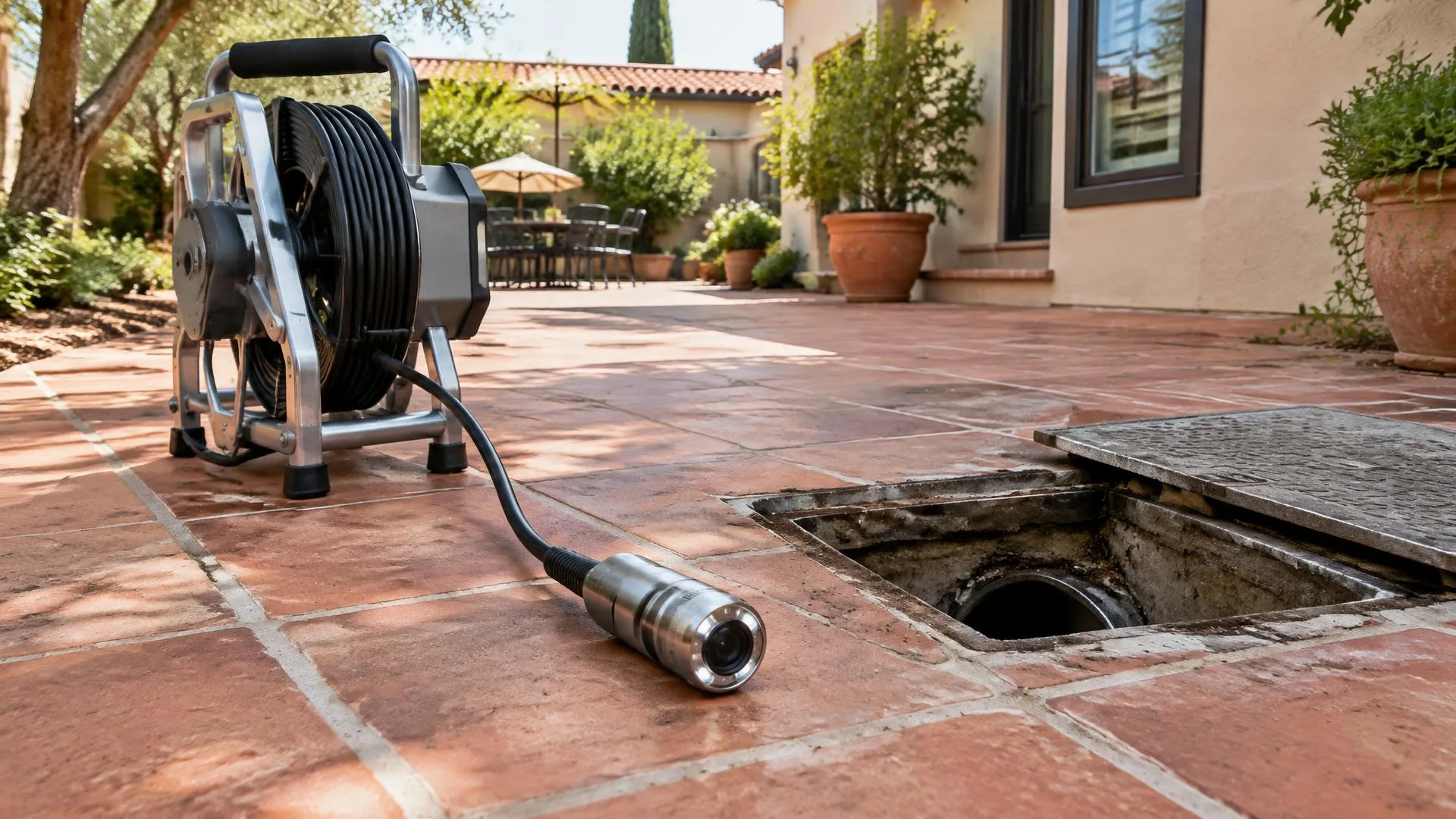
A sewer recording is most useful when you understand what it shows and where the camera traveled. All American provides camera inspections in Madera with recorded footage, explanations of visible findings, and above-ground locating of identified problems. Keep the inspection question, route, and visibility limits alongside the images. Whether you are considering repairs or sharing information with a realtor, that context helps distinguish documented roots, buildup, cracks, or bellies from possibilities that were discussed but never clearly observed.
- Recorded main sewer inspection
- Footage sharing with property owners
- Video sharing with realtors
- Visible root and crack explanation
What we handle
Preserve the Meaning Behind the Images
Documentation should help someone revisit the findings without recreating the entire conversation from memory. The recording is one part of that record. The inspected route, relevant locations, and explanation of uncertainty give the images a practical purpose when questions arise later.
Since 2001
Serving the Central Valley
- 01Recorded main sewer inspection
- 02Footage sharing with property owners
- 03Video sharing with realtors
- 04Visible root and crack explanation
- 05Above-ground concern locating
- 06Inspection route and limit review
Begin by tying the recording to the reason for inspection. Recurring clogs, a pre-purchase review, and an unexplained odor are different starting questions, even when they involve the same line. Keep the date and symptom description with the footage you receive. This makes it easier to distinguish what was observed at that time from a later complaint, rather than treating an older camera pass as a current description of every connected pipe.
During the explanation, ask which images support the important findings. Visible roots, deposits, cracks, and bellies should be connected to the inspected route, while areas hidden by water or material should remain identified as uncertain. All American can share recorded footage with you or your realtor. Include the coverage explanation when passing it along so a recipient does not mistake a short clip or unclear frame for a complete assessment of the drainage system.
If repair is being considered, keep the above-ground location information with the explanation of the identified concern. A remembered spot without the corresponding footage may be less useful in a later discussion. Likewise, a visible condition without context may be overinterpreted. Ask how the proposed work relates to the recorded evidence and what remains outside its scope. Together, the video and explanation support an informed conversation without turning documentation into a promise about future sewer performance.
When Better Documentation Matters
A clear record is valuable when findings will be reviewed later or shared with someone else. Keep the explanation attached to the footage rather than relying on an isolated image.
- A repair decision being considered later
- Footage needed for a realtor
- Unexplained clips from an earlier inspection
- Questions about the inspected route
- A located concern without visual context
- Different interpretations of the same recording
Make the Findings Useful After the Inspection
Ask All American about camera inspections in Madera. Discuss the recording and its context so you can revisit visible findings, inspection limits, and repair questions without relying on memory.
Sewer Camera Inspections questions
Frequently Asked Questions
Keep the inspection date, original symptom description, explanation of the route viewed, and any visibility limits. If a problem was located from above ground, retain that context as well so the relevant images remain understandable during later discussions.
Usually it cannot provide the full context on its own. A still image may highlight a concern while omitting the route, surrounding pipe, and limits of the view. Review it with the recording and explanation before drawing broader conclusions.
Yes. All American's existing service content states that inspection footage can be shared with you or your realtor. Make sure the recipient also understands the coverage and limitations so the video is not treated as more comprehensive than it was.
It documents visible conditions at the time and along the route inspected. It can provide useful history, but later symptoms deserve their own context rather than assuming that an earlier view proves the current state of the entire drainage system.
It lets you ask how each recommendation responds to the same observed finding. Compare the location, intended scope, and unresolved areas rather than relying on different verbal labels that may not explain what either proposal is designed to address.
Return to the relevant sequence and its inspection context. Ask which visible features support each interpretation and whether poor visibility or incomplete coverage explains the disagreement. The useful distinction is between evidence shown and assumptions added afterward.