
Los Banos
Start With a Usable Way Into the Line
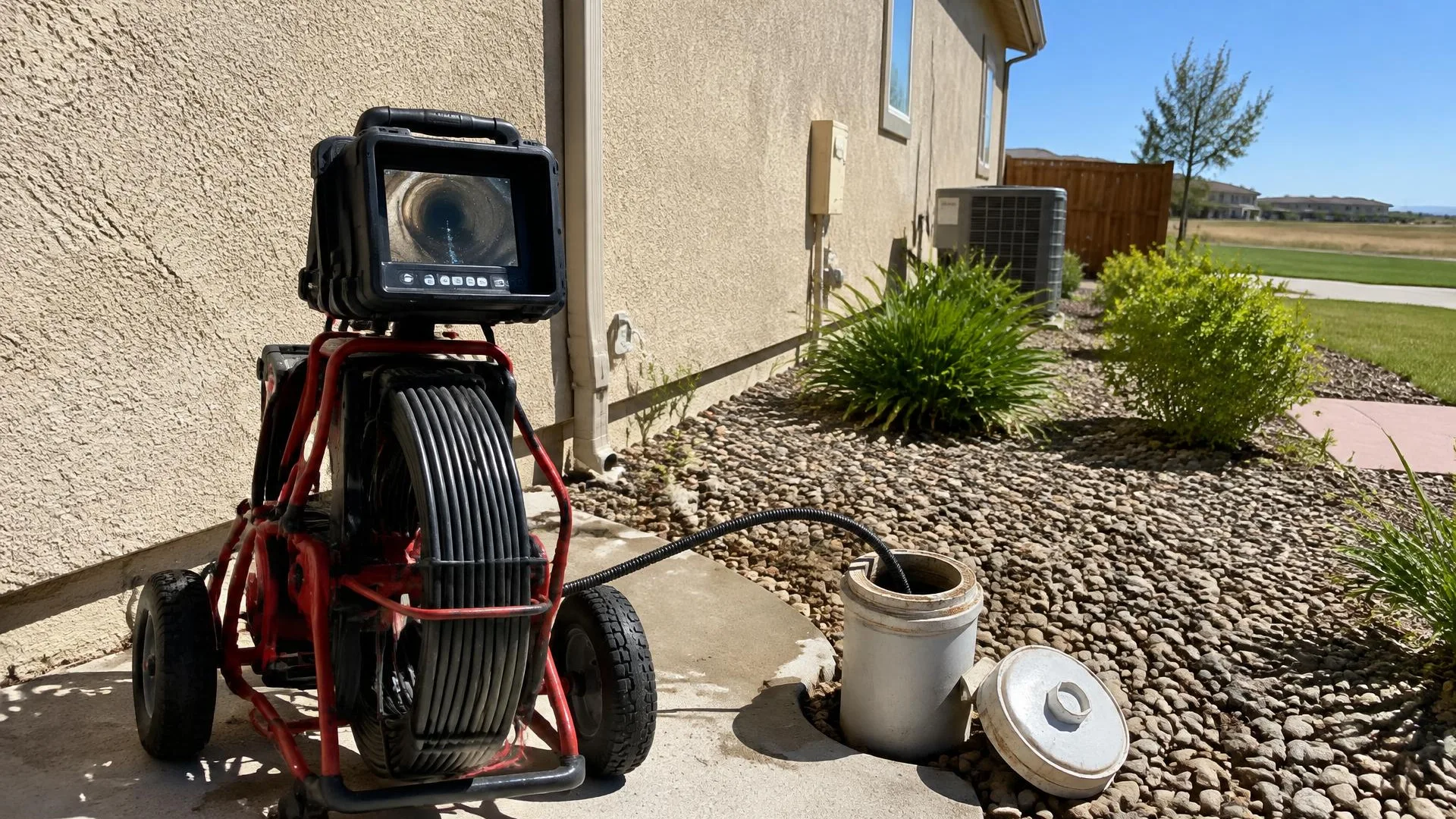
A sewer camera inspection begins with access, not a guess about what lies underground. For Los Banos properties, All American uses existing cleanouts or fixture access to inspect drain and sewer lines without digging for the inspection itself. Explain which drains are affected and where any known cleanout is located. The camera can reveal visible roots, buildup, cracks, or other conditions along the route it reaches, while recorded footage gives the findings a concrete basis for discussion.
- Existing cleanout entry assessment
- Fixture access discussions
- Main sewer line video inspection
- Visible root and crack identification
What we handle
Understand How Access Shapes the View
An accessible entry point helps establish what can be inspected, but it does not guarantee a complete view of every connected pipe. Discuss the starting location, the intended route, and any obstacles before treating an inspection as a survey of the entire drainage system.
Since 2001
Serving the Central Valley
- 01Existing cleanout entry assessment
- 02Fixture access discussions
- 03Main sewer line video inspection
- 04Visible root and crack identification
- 05Above-ground problem locating
- 06Recorded footage review
If you know where a cleanout is, describe it and the space around it. Stored materials, landscaping items, or fixed obstacles may affect access, but you do not need to open an unfamiliar cap to prepare. If no cleanout is obvious, say so rather than assuming the inspection cannot proceed. All American's existing service content identifies cleanout or fixture entry, with the appropriate access approach determined by the actual arrangement at the property.
Once inside the line, the camera shows the pipe interior along the route it can travel. Visible roots, deposits, cracks, and bellies can inform the explanation of slow drains, recurring backups, or odors. Access direction and conditions within the pipe still matter. Ask which section was viewed and whether any obstruction or visibility issue prevented the camera from reaching the intended endpoint before drawing conclusions about areas that were never seen.
The recorded footage and explanation should connect findings to the symptoms you reported. If a repair is being considered, All American also lists locating the problem from above ground as part of its camera service. That information supports a more focused discussion than guessing where to dig. Keep the distinction clear between gaining access for inspection, identifying a visible concern, and deciding what additional work is justified by the evidence collected along the inspected route.
When Access and Symptoms Need Discussion
Tell us what you know about the entry point and drainage behavior. Clear descriptions help establish a sensible inspection plan without requiring you to open or alter the plumbing.
- A known cleanout behind stored items
- No obvious exterior access point
- Recurring slow drainage
- Several fixtures gurgling
- Sewer odors without a visible cause
- Questions about the line route
Discuss the Entry Point Before the Inspection
Contact All American about camera inspections in Los Banos. Share the drainage symptoms and known access locations so the conversation can define the intended view and possible limitations.
Sewer Camera Inspections questions
Frequently Asked Questions
No. Describe its location and surrounding space rather than opening an unfamiliar cap. Access should be assessed in context, particularly when drainage problems are present and you do not know the condition immediately inside the line.
Tell All American that access is uncertain. The existing camera service description includes entry through a cleanout or fixture, so the appropriate approach needs discussion rather than assuming that a visible exterior cleanout is the only possibility.
Not necessarily. The starting point, pipe layout, and direction of travel affect the section inspected. Ask which route was covered and avoid treating one camera pass as confirmation of every branch connected to the drainage system.
The inspection itself uses an existing cleanout or fixture entry rather than digging. If separate repair work is later considered, that is a different scope and should be explained according to the findings and access requirements.
No. Entry access and conditions farther along the pipe are separate issues. An obstruction or poor visibility may limit travel or useful images, so ask where the camera reached and which areas remained unconfirmed during the inspection.
It should identify the entry point, the section viewed, relevant findings, and any limitation on travel or visibility. That context makes the footage more useful when discussing repairs or sharing the record with someone unfamiliar with the property.