
Gustine
Understand the Softener's Regeneration Cycle
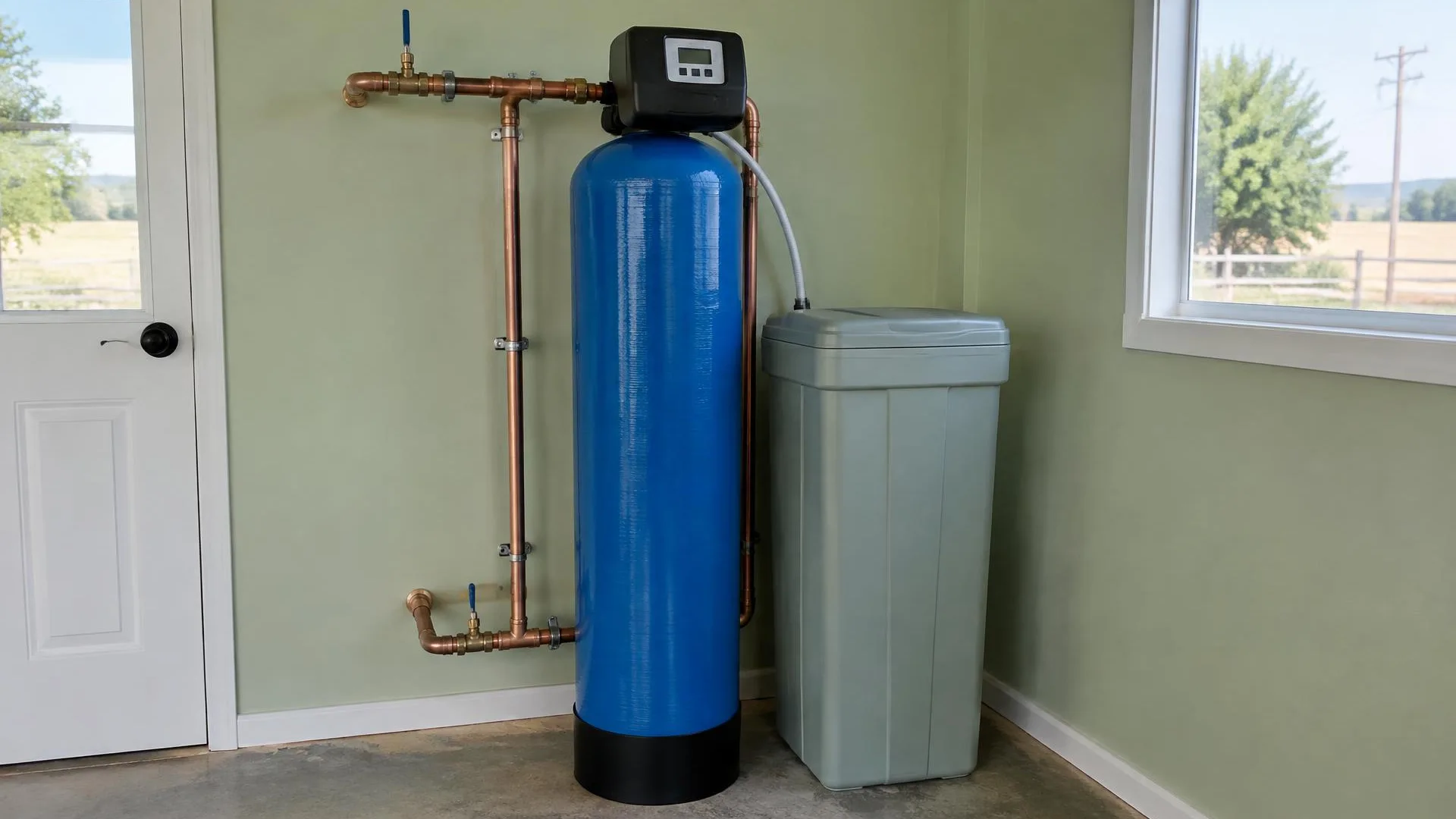
A conventional softener's service cycle and regeneration cycle perform different jobs. All American helps Gustine homeowners discuss how their equipment uses settings, water use information, salt, and drainage to maintain its intended operation. If performance changes, the display alone may not explain the cause. Relevant hardness testing, service history, and observations around the brine tank can help frame troubleshooting without assuming every cycle issue means the entire softener needs replacement.
- Regeneration setting review
- Control display troubleshooting
- Brine system assessment
- Salt use discussion
What we handle
Connect Regeneration Settings to Actual Conditions
Regeneration restores the working capacity of an ion-exchange softener according to its design. Appropriate settings depend on equipment requirements and relevant water information. Changing programming without understanding those inputs can obscure a problem rather than resolve it, particularly when symptoms involve several parts of the system.
Since 2001
Serving the Central Valley
- 01Regeneration setting review
- 02Control display troubleshooting
- 03Brine system assessment
- 04Salt use discussion
- 05Drain connection review
- 06Treated hardness verification planning
Depending on the model, regeneration may be controlled using measured demand, timing, or other programmed logic. Hardness inputs and capacity settings should be based on the actual installation, not copied from an unrelated unit. Note the model, displayed messages, and any recent power interruption or programming change. Those details can help distinguish an apparent scheduling question from a mechanical, brine, or control problem.
All American services water softeners, including troubleshooting and resin-related work where appropriate. Brine preparation, valve operation, drain configuration, and the treatment media can each affect performance. Salt being present does not prove that every regeneration step is occurring correctly. Likewise, an unfamiliar sound during a normal cycle is not enough by itself to identify failure. The equipment instructions and operating observations provide the necessary context.
Before service, record the last time salt was added, any standing-water changes you noticed, and whether treated-water hardness has been checked. Avoid breaking apart compacted material with sharp tools or repeatedly forcing regeneration cycles as a substitute for diagnosis. Keep the control and drain area accessible. After the review, ask which settings matter, what normal owner checks are appropriate, and how to recognize a condition that warrants service. A clear operating explanation is more useful than memorizing a sequence without understanding its purpose.
Cycle Observations to Bring to Service
Describe changes rather than assuming the cycle is defective. Equipment messages, salt history, and relevant test results help relate regeneration behavior to treatment performance and guide a more focused discussion of the system.
- Unexpected cycle frequency
- New control error message
- Salt level no longer changing
- Unusual brine tank water level
- Cycle interrupted by power loss
- Hardness returning in treated water
Review Your Gustine Softener's Operation
Share the model, control messages, salt history, and any hardness results with All American. Those details support a clearer discussion of regeneration settings, brine operation, maintenance, and the appropriate troubleshooting scope.
Water Conditioning questions
Frequently Asked Questions
Regeneration is the process used to restore the media's working capacity, not simply the normal service process. Water routing during that cycle depends on the equipment. Review the specific model's operation rather than assuming every softener behaves identically.
Do not treat spots alone as a measured hardness result. Confirm the concern with relevant testing and review the equipment settings in context. Incorrect programming can complicate troubleshooting and does not address every possible cause of visible residue.
Yes. Salt availability is only one part of the process. Brine preparation, controls, valves, media condition, and water routing may also matter. A visible salt supply does not establish that regeneration or treatment is occurring correctly.
Repeated cycles do not identify or correct every fault and may consume resources without resolving the cause. Follow the manufacturer's guidance and seek assessment when the system behaves abnormally instead of using repeated regeneration as the default response.
Depending on the model, power loss may affect timing, stored information, or an interrupted operating state. It is useful context, though it does not prove the cause. Note any display changes and when the symptoms began.
They should be explainable in relation to measured water characteristics, equipment capacity, and actual use. Ask which inputs were used and how performance is checked. A copied setting from another household is not a reliable basis.