
Gustine
See What Remains After Water Starts Moving
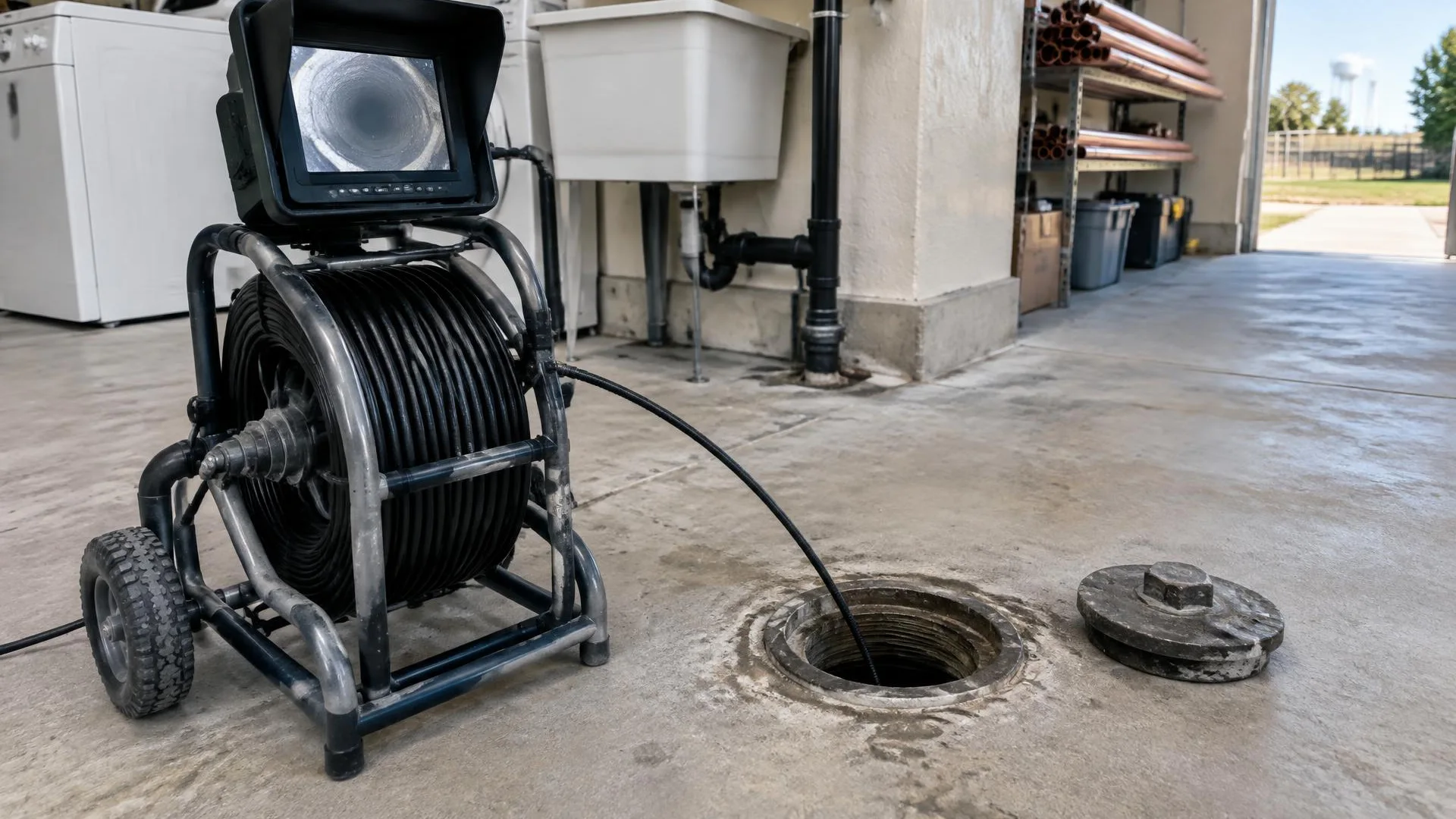
A cleared drain can work again while questions about the pipe remain unanswered. All American provides camera inspections in Gustine to record visible drain and sewer conditions, including roots, buildup, cracks, and bellies. After clearing work, an inspection can help distinguish restored passage from evidence about the line itself. Explain what was blocked and what changed afterward. The usefulness of the view still depends on access and visibility, so ask which sections were actually assessed before drawing broader conclusions.
- Post-clearing sewer video inspection
- Remaining root observation
- Visible buildup review
- Crack and belly identification
What we handle
Separate Flow Restoration From Condition Assessment
Water moving through a line is an important change, but it is not a complete description of the pipe interior. Camera footage provides another form of evidence, helping clarify visible remaining material and conditions that may matter when discussing recurring trouble.
Since 2001
Serving the Central Valley
- 01Post-clearing sewer video inspection
- 02Remaining root observation
- 03Visible buildup review
- 04Crack and belly identification
- 05Above-ground problem locating
- 06Recorded condition documentation
Start with the reason the line needed clearing and the symptoms afterward. Did every affected fixture improve, or does one still drain differently? Was the original complaint a single slow sink or a broader backup? Those distinctions help define what the camera inspection should investigate. Avoid treating the fact that water now passes as proof that the original cause has been identified or that all connected portions of the system have been evaluated.
A post-clearing view may reveal visible roots, deposits, cracks, or a belly, but the findings remain limited to what the camera can reach and see. Material or water can still obscure parts of the pipe. Ask whether the images show a remaining condition that relates to the earlier blockage and whether the surrounding area is visible enough to support the explanation. The inspection should distinguish direct observations from possibilities that remain hidden.
All American records the footage and can locate identified problems from above ground. That information can support a repair discussion when a specific concern is found, rather than assuming that another clearing or a larger replacement is automatically required. Ask what the proposed next step would accomplish beyond restoring flow. Keep the record with the clearing history so future conversations can separate the condition observed at inspection from symptoms that may develop at a later time.
Questions That Can Remain After Clearing
Improved drainage and unresolved questions can coexist. Share what changed after clearing and what still seems abnormal so the camera conversation focuses on the condition you need explained.
- Drainage restored without a known cause
- One fixture still draining poorly
- Roots mentioned during clearing work
- Repeated need for similar clearing
- Concern about a hidden pipe defect
- No previous interior video record
Find Out What Restored Flow Does Not Tell You
Ask All American about camera inspections in Gustine. Describe the recent blockage and clearing result so visible findings can be evaluated separately from the fact that water now passes.
Sewer Camera Inspections questions
Frequently Asked Questions
No. Restored passage describes drainage at that time, while camera inspection examines visible interior conditions. A line can pass water and still show a concern, so the two observations should not be treated as equivalent evidence.
Not necessarily. Water, remaining deposits, and access conditions can still limit visibility or travel. Ask which sections were assessable and whether the recording supports conclusions about the pipe wall rather than only showing that a route is open.
Explain which fixtures were affected, what work you understand was performed, and how drainage changed afterward. Distinguish what you were told from what you personally observed so the history remains useful without becoming an assumed diagnosis.
It may reveal visible conditions relevant to recurrence, such as roots, buildup, cracks, or a belly. The explanation should connect those findings to the symptom history and acknowledge any section that remained hidden or beyond the inspected route.
No. Material within the line and the condition of the pipe require separate consideration. Ask what specific finding supports the proposed work and whether it addresses an obstruction, a visible defect, or an unresolved area needing further investigation.
It records visible conditions at the time of inspection and provides context for later discussions. Keep the route and limitation explanation with it so future symptoms are compared with documented evidence rather than an unsupported memory of the line.