
Fresno
Fresno Emergency Heating for Safety Lockouts and Protective Shutdowns
A safety lockout means the system has stopped because something appeared unsafe or out of range. In Fresno, we explain what that may mean and how to respond. Please do not bypass safeties or keep trying to force operation. The correct next step is to preserve information, stay safe and arrange diagnosis.
- Record codes, lights and thermostat messages safely
- Avoid repeated resets and bypass attempts
- Inspect airflow, venting, drainage and controls
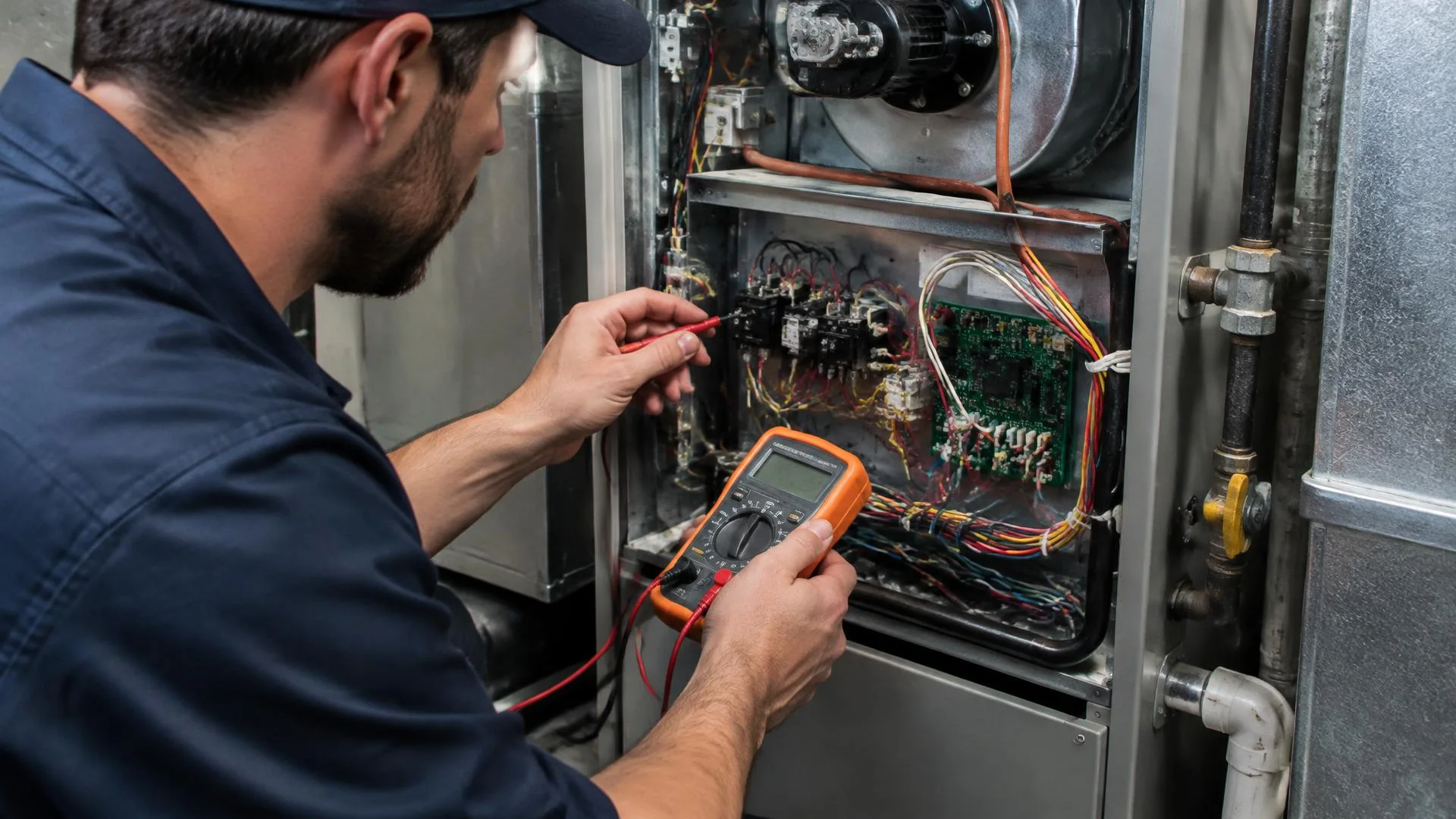
- Test safety devices using proper procedures
What we handle
Why lockouts should be respected
Protective controls are designed to stop operation before a condition becomes more dangerous or damaging.
Since 2001
Serving the Central Valley
- 01Record codes, lights and thermostat messages safely
- 02Avoid repeated resets and bypass attempts
- 03Inspect airflow, venting, drainage and controls
- 04Test safety devices using proper procedures
- 05Identify the condition that triggered shutdown
- 06Advise whether equipment should remain off
A lockout indicates that the equipment has interrupted its sequence, not that resetting it is the repair. Possible causes include ignition problems, restricted airflow, overheating, drainage issues, venting concerns and control faults. Photograph any visible message or indicator from normal access without opening panels. Record what happened before the shutdown, including sounds, thermostat changes or a recent power interruption. A code can identify the condition the control detected, but it may not identify the failed part or the underlying cause. Preserve that information and avoid attempting another start to obtain a clearer message. The technician needs to investigate why the protective response occurred before deciding how operation can safely resume.
Do not repeatedly reset power, bypass a switch, hold a safety device or open burner and electrical compartments. A system that briefly runs after resetting may still have the condition that caused the shutdown. If you smell gas or a carbon monoxide alarm sounds, leave the building and contact emergency services from outside. Smoke or suspected fire also requires emergency action rather than waiting for a service appointment. Once safe, report whether the lockout has happened before and how it was handled. Do not conceal earlier resets out of concern that they are unhelpful; an accurate history gives the technician more context for interpreting the current condition and planning appropriate tests.
The service goal is to explain the protective shutdown and address its cause, not simply clear the display. Diagnosis may support cleaning, adjustment, component repair or a recommendation to keep the equipment off while further work is arranged. We distinguish verified findings from possibilities and explain what checks are needed after correction. Ask whether any contributing airflow, drainage or venting issue also requires attention. Monitoring is not appropriate for an unexplained unsafe lockout, and repeated successful starts do not demonstrate safety. Scheduling and repair depend on availability, access and findings, so no particular arrival time or immediate restoration is guaranteed. Arrange safe interim warmth without relying on continued equipment operation.
Lockout signs to report
The more specific your observations, the easier it is to prioritize and diagnose.
- Heater starts, stops and displays a fault
- Several restart attempts have already failed
- Water appears near the equipment
- Code mentions ignition, pressure or limit conditions
- Odor or smoke accompanies shutdown
- The household has urgent heating needs
Call about a Fresno lockout
Tell us what the display says and what happened before shutdown. We will help decide how urgent it is.
Emergency Heating questions
Frequently Asked Questions
No. Repeated resets can be unsafe and may hide the cause. Note what happened and request diagnosis if the lockout returns.
It points toward a condition or circuit, but it may not identify the failed part. Testing is needed to interpret it correctly.
Never bypass safety devices. They protect people and equipment. Qualified technicians must find and correct the condition that triggered them.
It depends on symptoms, weather exposure, occupants and safety signs. We help you assess whether service should be urgent or planned.
Leave immediately and contact emergency services or the gas utility from outside. Do not test ignition or open equipment.
Keep warm with blankets, close doors to occupied rooms and avoid unsafe heat sources. Leave the heating equipment alone.