
Fresno
Connect the Internal Finding to a Place Above Ground
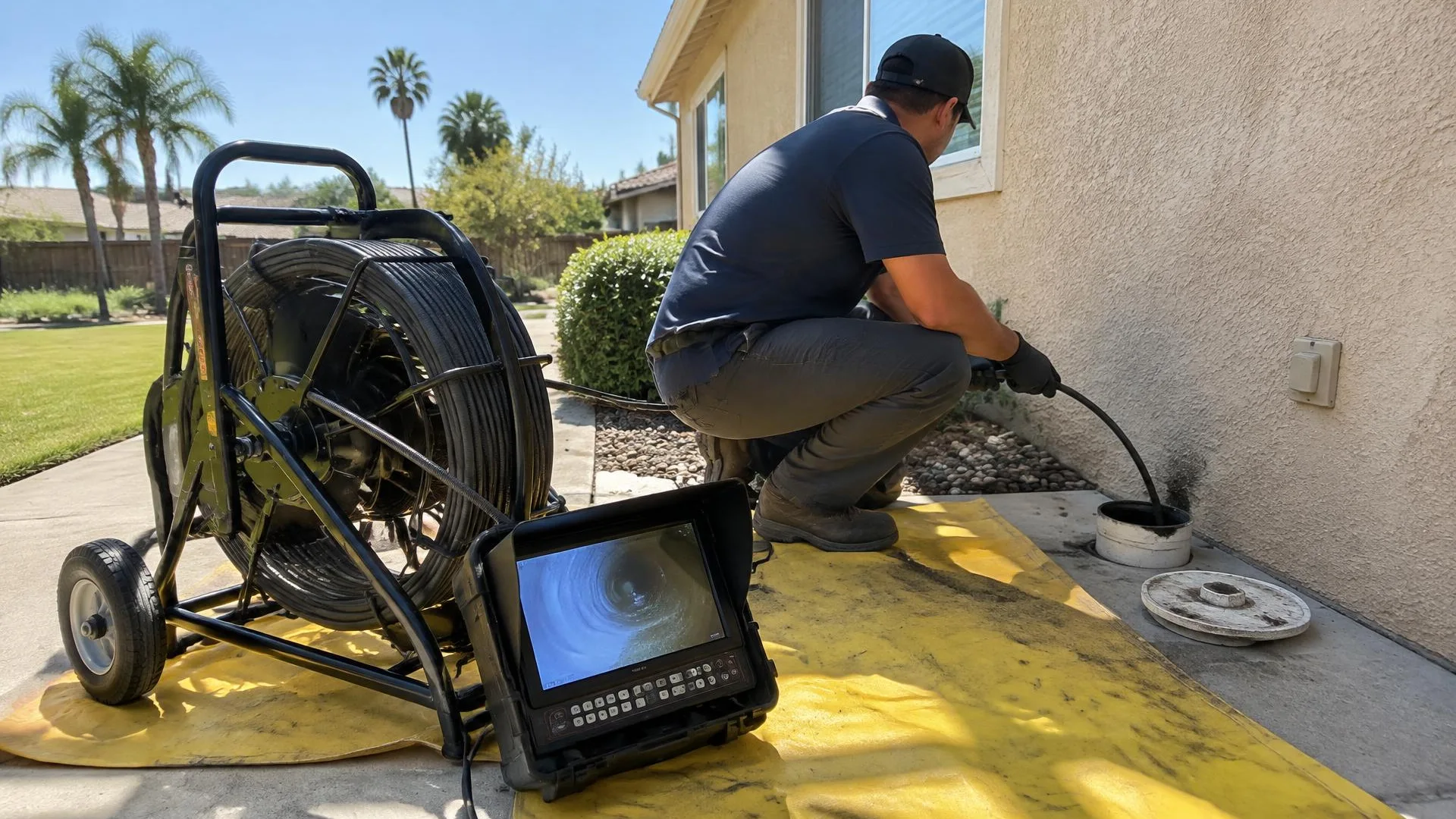
Seeing a sewer problem and knowing where it lies are related but separate steps. All American provides camera inspections in Fresno that record the line interior and locate identified problems from above ground. This helps turn a general drainage complaint into a more specific repair conversation. Ask what the camera revealed, where that finding is located, and how much of the surrounding line was visible. A located concern still needs an explained repair scope rather than an automatic excavation decision.
- Main sewer video inspection
- Identification of visible pipe defects
- Above-ground problem locating
- Recorded footage explanation
What we handle
Use Location to Focus the Discussion
Above-ground locating helps connect a visible pipe condition with the property layout. Its value is strongest when paired with clear footage and an explanation of the finding. Location alone does not establish the type or extent of repair that should follow.
Since 2001
Serving the Central Valley
- 01Main sewer video inspection
- 02Identification of visible pipe defects
- 03Above-ground problem locating
- 04Recorded footage explanation
- 05Review of nearby inspected sections
- 06Evidence for focused repair discussions
The process begins with the drainage symptoms and a usable camera entry point. Through an existing cleanout or fixture, the camera can show visible roots, cracks, deposits, or bellies along the inspected route. Ask which finding is considered relevant to the problem you reported. A slow drain does not identify its own underground cause, and a visible concern should be explained before its surface location becomes the basis for discussing repair access.
Once an identified problem is located from above ground, the conversation can become more specific about the affected area. That does not mean the inspection itself requires digging; All American's camera service uses existing access. Any later excavation or repair is a separate decision. Clarify how the located point relates to the visible condition, whether the concern extends along a section, and what nearby areas were successfully inspected before the camera was withdrawn.
A focused plan should explain both the location and the intended outcome of the proposed work. Addressing one identified defect may not resolve a separate issue elsewhere in the line. Ask about the boundaries of the recommendation and any unviewed area that could influence it. Keep the recording with the location explanation so future discussions do not rely on a remembered spot without the visual evidence that made that area relevant in the first place.
When a Location Would Clarify the Next Step
A recurring problem can feel vague until the interior evidence is tied to a specific area. Ask how location information relates to the observed condition and proposed work.
- A repair discussed without a clear location
- Recurring blockage along an uncertain route
- Visible roots requiring further explanation
- A suspected crack in a camera recording
- Questions about a localized repair area
- Uncertainty about adjacent line coverage
Move From a General Problem to a Specific Finding
Ask All American about camera inspections in Fresno. Discuss recorded evidence and above-ground locating together so the repair conversation has both a visible basis and an understandable location.
Sewer Camera Inspections questions
Frequently Asked Questions
No. Camera footage provides visual evidence of the condition, while locating connects the identified area with a position above ground. Both need explanation so a location is not mistaken for proof of a particular repair requirement.
No. The inspection itself uses existing access without excavation. Any repair decision should follow a discussion of the findings, intended scope, and access needs rather than treating a marked or described location as automatic authorization for further work.
A single surface location does not necessarily describe the full extent of a condition inside the line. Ask how the footage defines the affected area and whether the proposed repair addresses a specific feature or a longer section.
Only if the evidence supports that relationship. A located concern may explain the reported problem, but separate branches or additional conditions can require their own discussion. Ask how each symptom connects to the section actually inspected.
Keep the recorded footage and explanation of the observed condition, inspected route, and relevant limits. A location without that context may be difficult to interpret later or may be confused with a different concern along the line.
Ask what was visible on either side of the identified concern and whether other findings affect the plan. This helps define the repair's boundaries without assuming that one localized defect establishes the condition of the entire sewer.