
Dos Palos
Dos Palos Furnace Safety Checks for Gas Heating Systems
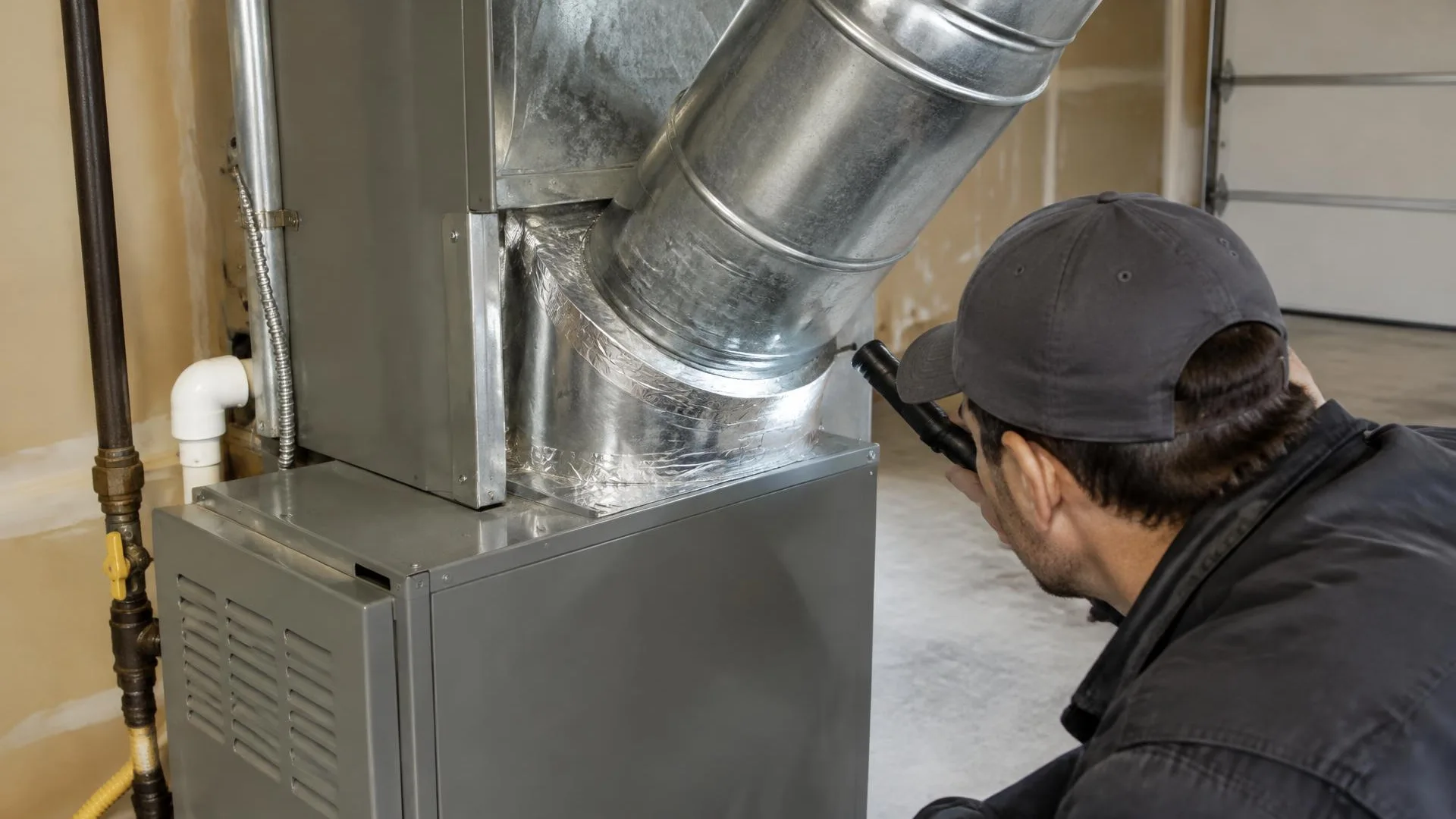
A furnace should heat reliably and operate within safety limits. In Dos Palos, our safety-focused heating visits review venting, combustion-related conditions, controls and visible equipment condition. We explain what was inspected, what needs correction and what to do if warning signs appear, without alarming you unnecessarily or minimizing real hazards.
- Inspect visible venting and exhaust components
- Review ignition, flame and control operation using proper methods
- Look for corrosion, scorching, moisture or wiring concerns
- Verify alarm awareness and emergency procedures
What we handle
Safety checks that support safer operation
Safety work is about observation, proper testing and clear action steps, not just whether warm air is coming out.
Since 2001
Serving the Central Valley
- 01Inspect visible venting and exhaust components
- 02Review ignition, flame and control operation using proper methods
- 03Look for corrosion, scorching, moisture or wiring concerns
- 04Verify alarm awareness and emergency procedures
- 05Check filter and airflow conditions affecting safety limits
- 06Explain urgent, planned and monitoring findings
A safety focused furnace visit reviews accessible conditions and operating behavior using procedures appropriate to the installed equipment. The technician may examine visible venting, drainage, ignition components, wiring condition and signs of corrosion, scorching or moisture. These observations help determine which tests are needed, but a clean exterior is not proof that every internal condition is satisfactory. Prepare by clearing the normal access path and sharing previous repair records or reports of unusual odors. Do not open burner areas, adjust gas components or bypass switches to demonstrate a concern. Note when the symptom occurs instead, allowing the technician to investigate without introducing another hazard or changing the evidence available for assessment.
Carbon monoxide alarms and gas odors call for emergency action rather than a routine diagnostic conversation indoors. If a carbon monoxide alarm sounds or you smell gas, leave the building and contact emergency services from outside. Do not stay to inspect the furnace, silence the concern through repeated resets or search for the source. Follow responders' instructions about returning. Before any incident, maintain alarms according to their instructions and make sure household members understand the exit plan. Alarm maintenance is separate from furnace service: neither replaces the other. During an ordinary appointment, describe previous alarms or utility findings so the technician can account for them when evaluating the heating equipment.
After inspection, findings should be divided into conditions requiring immediate action, repairs that can be planned and observations suitable for monitoring. We explain the supporting evidence and any limits caused by inaccessible components or conditions not present during testing. Some findings require the furnace to remain off until correction and verification; that boundary should be stated directly rather than softened into a general maintenance suggestion. Ask what additional work is needed before operation can resume and what the repair is intended to resolve. No inspection removes every future risk. A useful report provides clear current findings, practical next steps and safety instructions without treating either uncertainty or equipment age as a diagnosis.
Safety warning signs
Take these indicators seriously, and put personal safety ahead of heating comfort.
- A gas odor or carbon monoxide alarm
- Soot, scorch marks or unusual residue near equipment
- Persistent burning smell during operation
- Water around the furnace or vent area
- Safety lockouts or repeated shutdowns
- Visible damage to venting or wiring
Request a Dos Palos safety check
If you suspect gas or carbon monoxide, leave first and call emergency services. Otherwise, contact us to plan an inspection.
Heating questions
Frequently Asked Questions
Leave the building, bring everyone outside and contact emergency services from a safe place. Do not reenter or investigate the furnace yourself.
Leave immediately. Contact emergency services or the gas utility from outside. Do not operate switches, test ignition or open equipment.
No. Opening burner areas can be dangerous and may bypass protections. Leave internal inspection and testing to qualified technicians.
No inspection can eliminate every risk. It documents conditions at the time and helps identify items needing attention.
Venting carries combustion byproducts out of the home. Damage, blockage or disconnection can create serious hazards and should be evaluated promptly.
Annual professional review is a common practice, and extra attention is warranted after warning signs, repairs or equipment changes.