
Dos Palos
Dos Palos Emergency Heating When the Blower Runs but Air Stays Cool
Moving air without warmth tells us the blower may be working while the heat source is not. In Dos Palos, we help you describe the symptom and keep safety first. The cause may involve settings, ignition, controls, a heat pump condition or a protective shutdown, so diagnosis should follow the system’s sequence.
- Verify heat mode, setpoint and fan setting
- Check filter and airflow conditions
- Observe heat-source startup behavior
- Review lockouts, limits and control signals
What we handle
Moving air is not the same as heating
This symptom can look simple, but the cause depends on equipment type and what happens before airflow begins.
Since 2001
Serving the Central Valley
- 01Verify heat mode, setpoint and fan setting
- 02Check filter and airflow conditions
- 03Observe heat-source startup behavior
- 04Review lockouts, limits and control signals
- 05Evaluate heat pump mode and backup operation
- 06Recommend repair and interim safety steps
Air movement without useful warmth can have several explanations, beginning with thermostat settings. Check whether heat mode is selected, the requested temperature exceeds the displayed room temperature and the fan setting is not simply circulating air between heating calls. Note whether the air is consistently cool or changes during the sequence. Review a homeowner accessible filter according to the equipment instructions, but do not open furnace cabinets or attempt ignition tests. Tell the service team whether the system is a furnace or heat pump if known. These observations can distinguish a settings issue from interrupted heat production, but they cannot establish that continued operation is safe when another unexplained fault is present.
Do not keep cycling the thermostat or power supply to see whether heat eventually appears. Repeated attempts can obscure the pattern and may force equipment against a protective response. If you smell gas or hear a carbon monoxide alarm, leave the building and contact emergency services from outside. Do not remain near the furnace to watch for ignition or inspect burner areas. Smoke, electrical burning odor or severe mechanical symptoms also require stopping use and responding to the hazard rather than treating the issue as ordinary cool airflow. Once everyone is safe, note any visible messages and describe the last time the system delivered normal heat without restarting it for comparison.
The technician observes whether the heat source is requested, whether startup begins and what interrupts delivery. Furnace checks differ from heat pump checks, which may include mode, outdoor operation, defrost behavior and supplemental heat response. The recommendation should explain which part of the sequence failed and whether airflow or controls contributed. Some settings corrections are straightforward; other findings require repair before use can resume. Ask about safe interim choices specific to the confirmed condition rather than assuming circulating air means the system is harmless. Availability and findings determine scheduling and repair options, with no guaranteed arrival or immediate restoration. An unexplained unsafe fault should remain out of operation pending proper evaluation.
No-heat blower signs
Report these clues to help determine whether the issue is a setting, equipment fault or safety condition.
- Air blows continuously but feels room temperature
- Warm air appears briefly, then stops
- Indicator lights flash or show a code
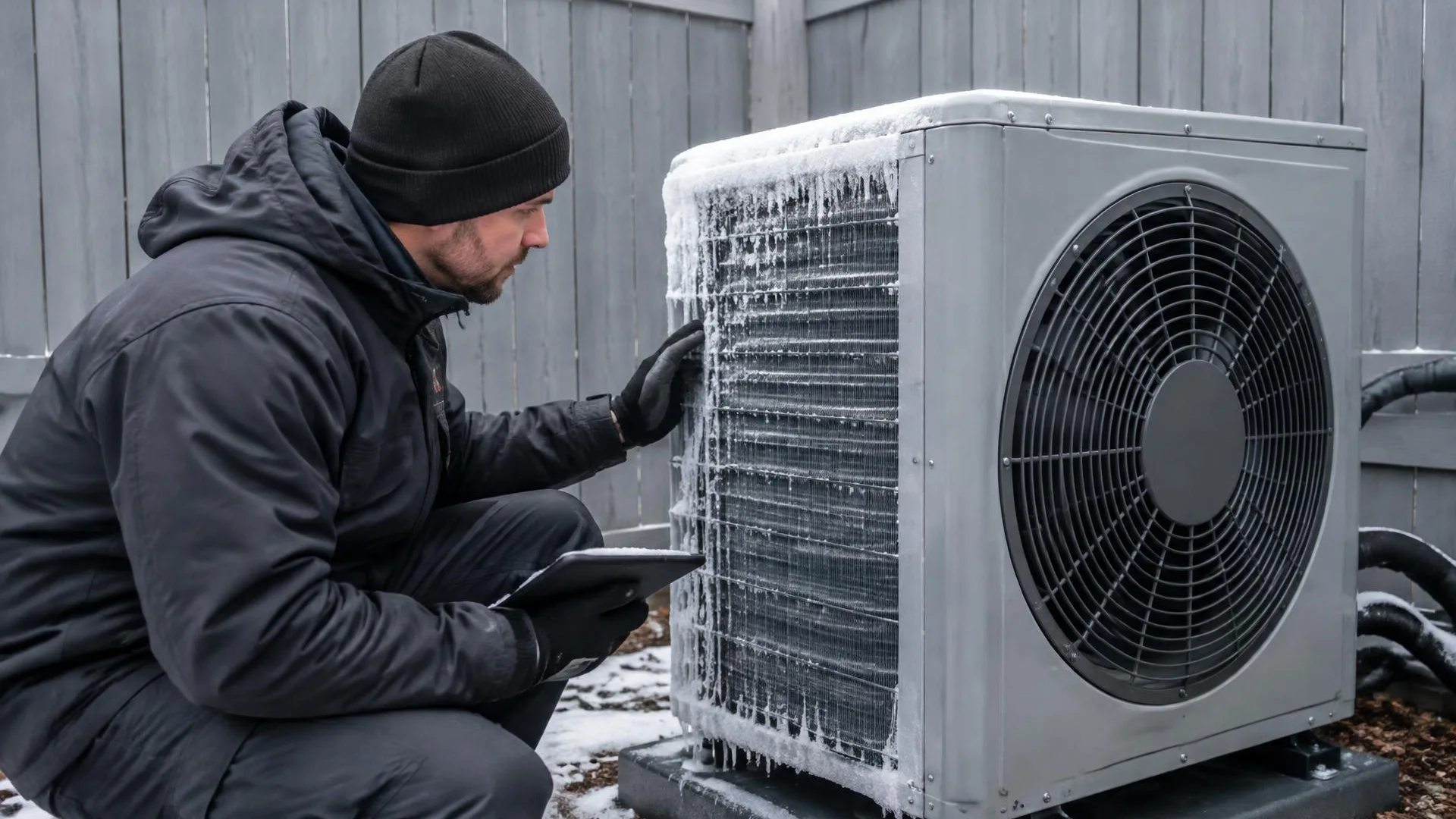
- The outdoor unit is silent or iced
- Odor, smoke or alarms accompany the symptom
- The home is cooling quickly with vulnerable occupants
Call about no heat in Dos Palos
Describe what you feel at the registers and whether safety signs are present. We will help assess urgency.
Emergency Heating questions
Frequently Asked Questions
The blower can run when the heat source is not operating. Causes include ignition, controls, lockouts, settings or heat pump issues, so diagnosis is needed.
Yes. If the fan is on continuously, cool air may circulate between heating cycles. Confirm the heating mode and setpoint first.
No. Repeated restarts may be unsafe or obscure the pattern. Note what you observe and request professional diagnosis.
It can contribute by restricting airflow and triggering protection. Replace a clogged filter, but continuing symptoms still need inspection.
Do not chip the ice. Turn the system off if you are concerned and request service so coils and controls can be inspected.
Use blankets, close unused rooms and avoid fuel-burning appliances not designed for indoor heating. Leave equipment diagnosis to technicians.