
Chowchilla
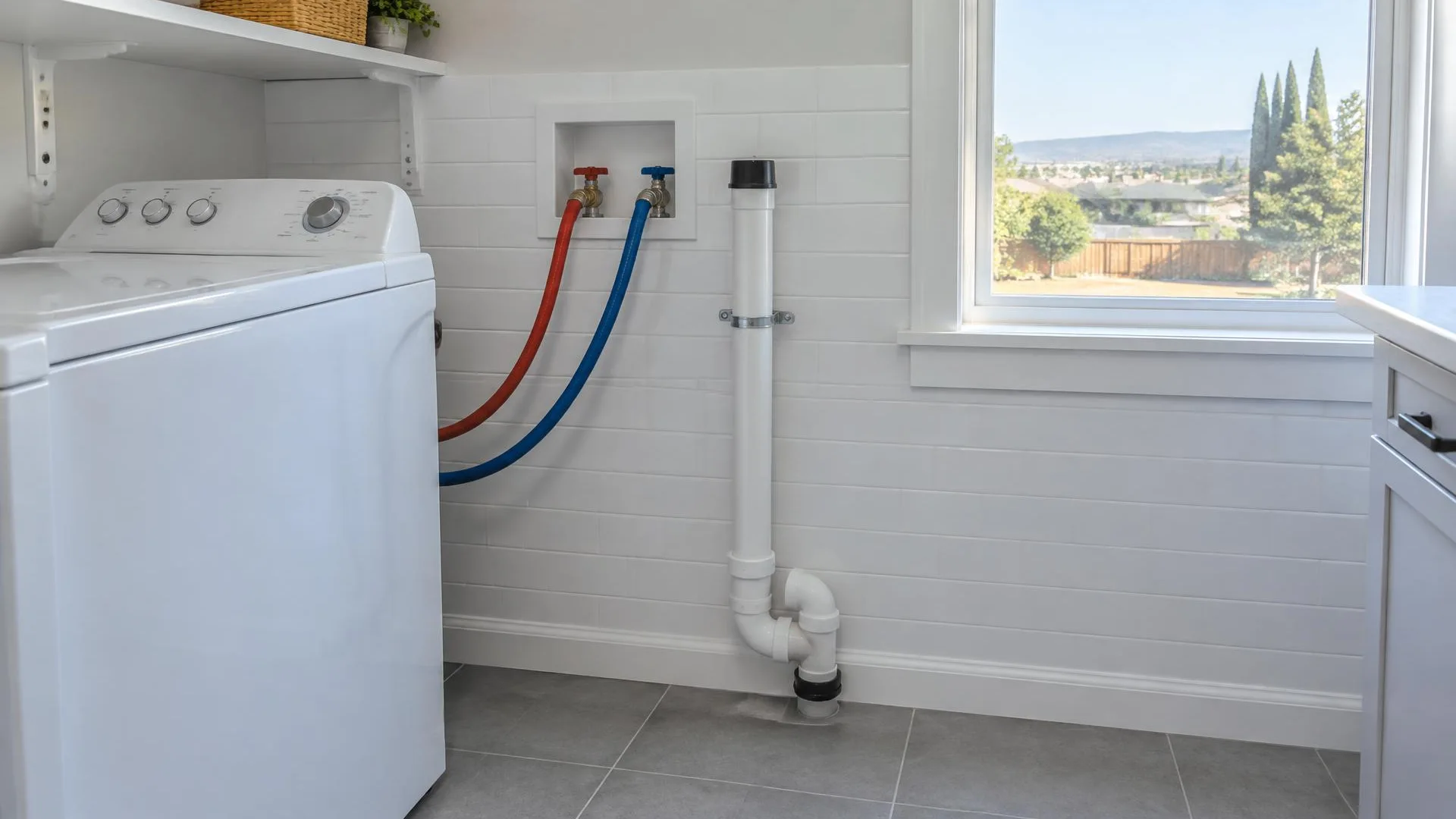
Is the Problem Arriving Water or Leaving Water?
Water beneath a sink does not tell you whether the problem begins at a supply connection, the fixture, or the drain path. For plumbing in Chowchilla, All American provides leak detection, pipe repair, faucet and toilet service, and water line replacement. Describe when the water appears: while the fixture is idle, when a tap runs, or when a basin empties. That timing helps frame the investigation without requiring you to disconnect plumbing or decide the diagnosis yourself.
- Supply leak investigation
- Faucet connection assessment
- Toilet operation concerns
- Pipe repair recommendations
What we handle
Use Timing to Separate Different Plumbing Paths
Supply and drainage concerns can appear in the same small area while requiring different work. Observing the relationship between moisture and normal fixture use helps explain the symptom. It does not replace assessment or justify assuming that every cabinet leak comes from the drain.
Since 2001
Serving the Central Valley
- 01Supply leak investigation
- 02Faucet connection assessment
- 03Toilet operation concerns
- 04Pipe repair recommendations
- 05Water line replacement options
- 06Drain-versus-supply symptom review
A supply line delivers water to a fixture, while the drain carries used water away. A faucet or toilet also contains components that can create their own symptoms. When water appears nearby, those categories offer a useful framework, not an instant answer. Note whether moisture develops without fixture use, follows a particular action, or appears only after enough water has passed through the fixture to make the pattern noticeable.
Other complaints need the same distinction. Weak delivery at a faucet is not the same issue as a sink that empties slowly, even though both can be described casually as poor flow. A toilet that keeps refilling presents a different observation from one that drains poorly. All American's plumbing scope includes fixtures, leak detection, and pipe repairs; drain or sewer investigation should be discussed when the symptoms point toward the outgoing side instead.
The repair explanation should name the component and relate it to the evidence. If a supply connection is leaking, clearing a drain would not address that defect. If water escapes only during drainage, replacing unrelated supply piping needs a separate justification. Keep multiple symptoms distinct when requesting help so an improvement in one area is not mistaken for resolution of the whole concern. Clear descriptions make the eventual scope easier to understand and evaluate.
Describe What Happens Before Water Appears
Watch ordinary use without disconnecting fittings or repeatedly recreating a leak. The action immediately before moisture appears can help explain whether supply, fixture operation, or drainage deserves attention.
- Dripping while a sink is unused
- Moisture only when a basin empties
- Weak delivery with normal drainage
- Slow drainage with normal faucet flow
- A toilet repeatedly refilling
- Water appearing around a fixture base
Tell Us Which Direction the Problem Points
Ask All American about plumbing in Chowchilla. Share when the symptom occurs and whether it affects incoming water, outgoing water, or both so the next discussion stays focused.
Plumbing questions
Frequently Asked Questions
Yes. The supply connections, faucet, and drain arrangement occupy nearby space. Where water collects does not establish which component failed, so explain when moisture appears rather than assuming the lowest visible fitting is responsible for the leak.
Slow emptying describes drainage, while weak delivery describes incoming water at the faucet. They can occur together, but they should be reported as separate symptoms because the work needed for one may not address the other.
That timing can help frame questions about the supply side or a continuing leak. It is not conclusive by itself, but it differs from moisture that appears only during drainage and is useful information for the assessment.
Continuous refilling and poor drainage are different observations. Describe what the toilet actually does, including whether it empties normally, rather than using a general label that may combine unrelated fixture and drain concerns into one assumed problem.
You do not need to dismantle plumbing to make a useful service request. Observe timing and visible moisture, keep the area accessible, and let the assessment determine which connection or component requires attention before changing the arrangement.
Report both patterns independently, including which fixtures are involved. They may require different investigations. Ask how each proposed task relates to a specific symptom so one repair is not assumed to resolve an unrelated concern automatically.