
Chowchilla
Prepare the Information, Not the Plumbing
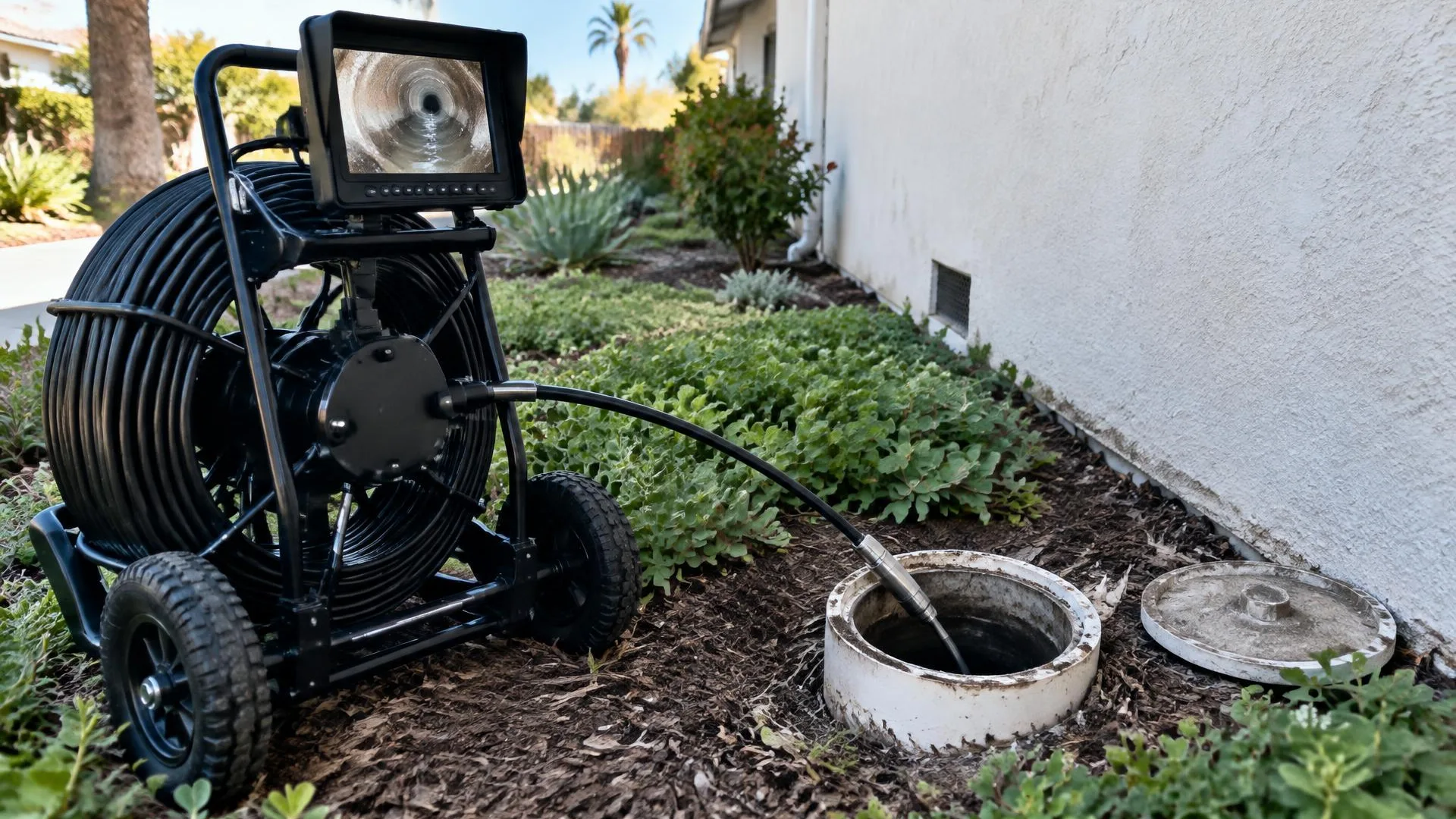
Useful camera inspection preparation does not require opening pipes or moving connected equipment. For a Chowchilla property, start by gathering the drainage history and identifying any known cleanout. All American inspects through an existing cleanout or fixture, records the line interior, and locates identified problems from above ground. Explain the symptoms and access obstacles in advance. Safe, simple preparation helps make the inspection question clear while leaving unfamiliar caps, fixtures, and plumbing connections for assessment rather than experimentation.
- Cleanout access discussions
- Fixture entry assessment
- Main sewer video inspection
- Root and crack identification
What we handle
Make the Starting Conditions Easy to Explain
Good preparation gives the inspector a clear picture of the complaint and work area. It means knowing what to describe, which belongings can safely be cleared, and which access questions remain unresolved. It does not mean attempting to expose or alter the sewer yourself.
Since 2001
Serving the Central Valley
- 01Cleanout access discussions
- 02Fixture entry assessment
- 03Main sewer video inspection
- 04Root and crack identification
- 05Above-ground problem locating
- 06Recorded findings review
Begin with a short symptom history. List the affected fixtures, when trouble began, and what earlier clearing or inspection work changed. If you have an older recording, keep its explanation with it rather than presenting an isolated image as a current diagnosis. Distinguish facts you observed from descriptions supplied by someone else. This gives the new inspection a clear starting question without assuming that an earlier explanation still accounts for the present drainage behavior.
Next, describe any known access point and the surrounding conditions. Movable belongings may be cleared when the area is safe, but do not open an unfamiliar cleanout or move connected equipment simply to prepare. If access is hidden, uncertain, or blocked by something fixed, say so. All American's service description includes cleanout or fixture entry, with no digging for the inspection itself, so access should be discussed according to the actual arrangement at the property.
Finally, decide what information you want explained afterward. Ask about the inspected route, visible roots or defects, any limit on travel or visibility, and the relevance of a located concern. All American records footage, making the explanation easier to revisit when considering repair work. Preparation is complete when the symptoms and questions are organized, not when every pipe is exposed. That approach keeps the focus on useful evidence while avoiding unnecessary handling of plumbing before the inspection begins.
Information to Gather Before the Visit
A few organized details can make the inspection discussion more specific. Collect what you already know, mark uncertainties honestly, and leave physical changes to the plumbing out of your preparation.
- Location of any known cleanout
- A list of affected fixtures
- Dates of recurring drainage trouble
- Results of previous clearing
- Stored items near the access area
- Questions about earlier camera footage
Arrive at the Inspection With Better Questions
Contact All American about camera inspections in Chowchilla. Share the symptoms and access conditions so preparation stays focused on useful information rather than unnecessary work on the plumbing.
Sewer Camera Inspections questions
Frequently Asked Questions
List the affected fixtures, the order symptoms appear, and what previous work changed. A concise history helps define the inspection question without requiring you to diagnose the line or assemble an exact account of every past plumbing event.
Leave unfamiliar caps in place and describe the access point instead. Drainage conditions may be uncertain, and preparation should not involve opening the line simply to confirm that an entry point is available for the camera.
Mention the obstacle before attempting to remove it. Explain whether it is storage, equipment, or part of the surrounding construction. Access planning should account for that condition rather than assuming that moving connected or fixed items is routine preparation.
Yes, especially when their date, route, and explanation are available. They provide history, not automatic proof of the current condition. Keep any limitations with the footage so the new discussion can distinguish earlier observations from today's symptoms.
No. Share any reliable information you have and identify what is uncertain. All American's camera service includes above-ground locating of identified problems, but you do not need to guess the concealed route to make a useful inspection request.
Ask what section was viewed, which findings relate to the symptoms, and where visibility or travel was limited. If repair is proposed, ask how the recorded evidence supports its scope rather than relying only on the name of a suspected problem.