
Atwater
Size Treatment for Water Conditions and Real Demand
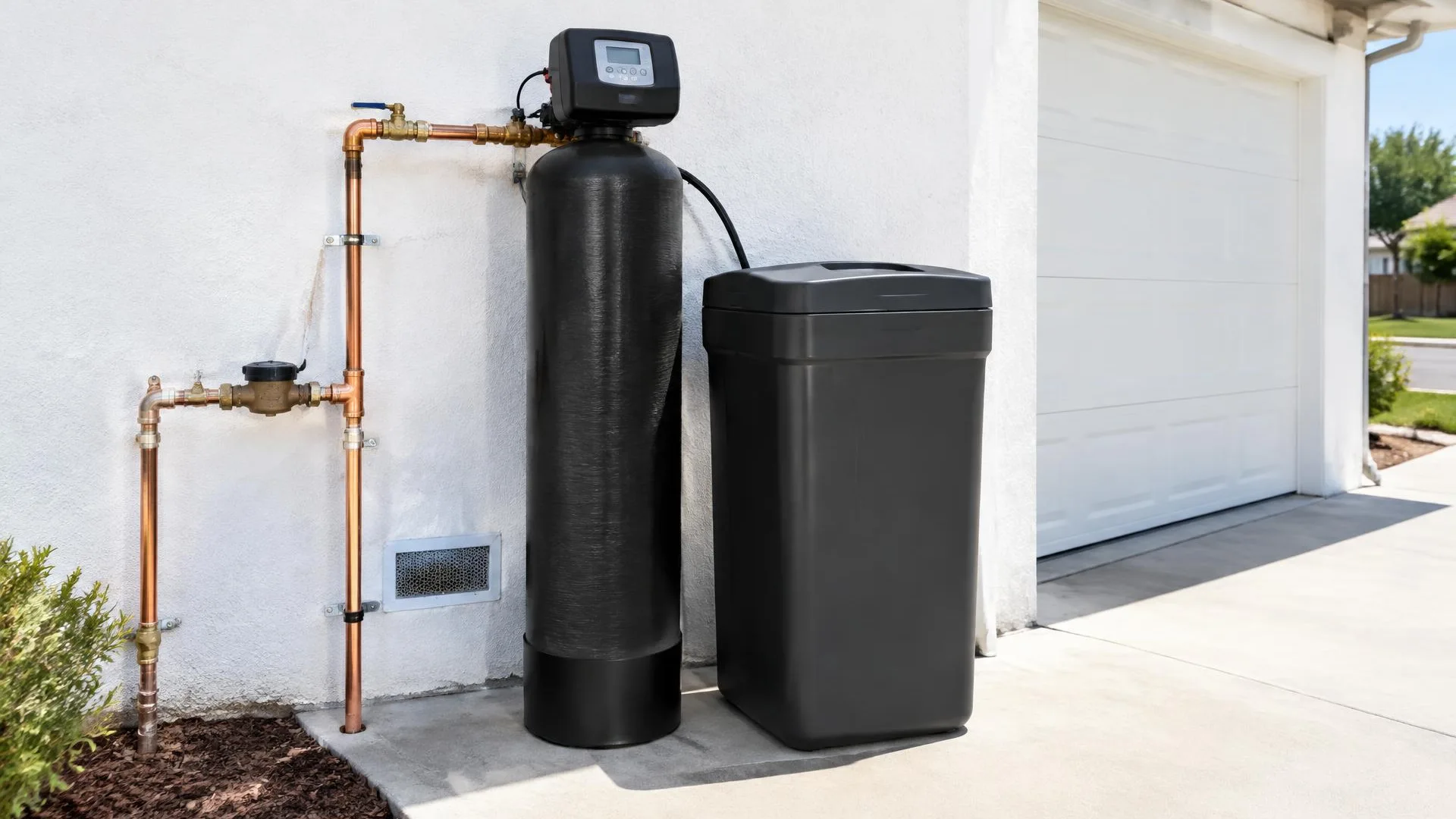
Choosing water-treatment capacity involves more than counting people or selecting the largest cabinet. All American helps Atwater homeowners consider hardness results, daily use, simultaneous demand, and installation conditions when discussing softeners and filtration. The treatment goal comes first, followed by the equipment's operating requirements. A system should be evaluated for both how much water it can treat over time and how it performs when several household fixtures are being used together.
- Hardness-based capacity discussion
- Household use review
- Peak demand assessment
- Filter flow requirement comparison
What we handle
Balance Treatment Capacity With Service Flow
Capacity and flow describe different aspects of equipment performance. A softener may have adequate treatment capacity yet still require review for peak household demand. Filters also have operating limits. Understanding both helps avoid comparing systems using a single number that does not explain the installation.
Since 2001
Serving the Central Valley
- 01Hardness-based capacity discussion
- 02Household use review
- 03Peak demand assessment
- 04Filter flow requirement comparison
- 05Installation space planning
- 06Service interval coordination
For a softener, measured hardness and water use help inform how much treatment capacity is appropriate between regeneration cycles. Household size can provide context, but actual usage patterns may differ. Other water characteristics may also affect suitability and should not be ignored when present. Equipment selection should use relevant information rather than an assumption about Atwater water or a generic rule that every home needs the same size.
Peak flow matters when showers, laundry, and other fixtures run at the same time. Treatment equipment and piping introduce operating requirements that should be reviewed against those conditions. All American installs softeners, whole-home filters, and RO systems, each with a different capacity discussion. A dedicated drinking-water unit should not be evaluated by the same criteria as a whole-home treatment stage serving several fixtures.
Prepare with available test results, a description of busy household periods, and the model information for any existing equipment. Identify the proposed location and any space restrictions before narrowing the selection. Ask how the recommended size relates to treatment performance, regeneration or cartridge service, and maintenance access. Oversizing should not be assumed beneficial simply because the number is larger. A useful recommendation explains the tradeoffs and the operating conditions under which the selected equipment is intended to work.
Details That Affect Equipment Sizing
A capacity recommendation becomes more meaningful when it reflects actual household operation. Share these details so treatment volume, simultaneous demand, service requirements, and installation constraints can be considered together during equipment selection.
- Several fixtures used simultaneously
- Changing household water demand
- Existing equipment cycling frequently
- Limited installation clearance
- Unclear hardness measurement
- Different whole-home and drinking-water goals
Discuss Treatment Capacity for Your Atwater Home
Bring test information and a description of household water use to All American. Those inputs support a clearer conversation about system capacity, flow needs, installation space, and the maintenance implications of different options.
Water Conditioning questions
Frequently Asked Questions
It is useful context, but not the complete calculation. Measured hardness, water consumption, operating flow, and equipment characteristics also matter. Two households with the same number of people can use water differently and need different treatment arrangements.
Capacity describes how much treatment the system can provide under defined conditions, while flow rate describes water moving through it at a given time. Both affect suitability, and neither should be assumed to establish the other.
No. Selection should match the water characteristics, usage, operating needs, and service requirements. A larger rating alone does not explain performance or maintenance tradeoffs. Ask why the proposed size is appropriate rather than treating size as a quality ranking.
Simultaneous use helps describe peak demand through whole-home equipment. That can influence the flow review separately from daily consumption. Share the busiest normal operating conditions so the recommendation is not based only on average use.
No. Its intended outlet, production characteristics, storage configuration, and usage pattern create a different evaluation. Compare equipment within its actual role rather than applying whole-home flow expectations to a point-of-use drinking-water system.
It should connect relevant test information and household demand to the selected equipment's capacity and operating flow. It should also address installation limits and service needs, so the recommendation is understandable beyond a product model or nominal rating.