
Atwater
A Useful Inspection Also Explains Its Limits
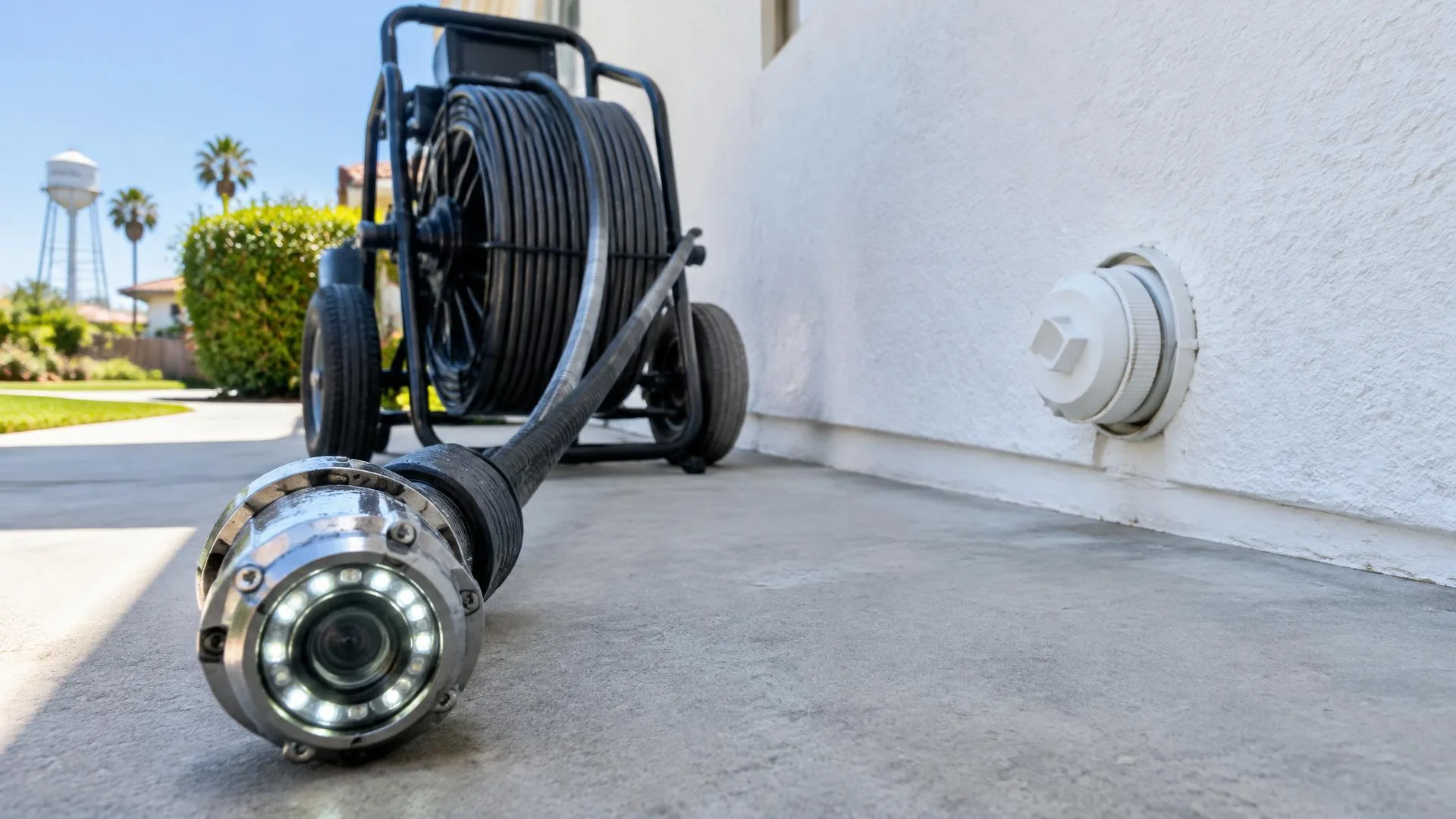
A camera can reveal important conditions inside a drain, but it cannot justify conclusions about areas it never sees. All American provides camera inspections in Atwater with recorded footage and above-ground locating of identified problems. Ask which section was inspected, whether the camera reached the intended endpoint, and where water or material affected visibility. Those details make the findings more useful by distinguishing observed roots, cracks, buildup, or bellies from conditions that remain uncertain beyond the available view.
- Inspection route clarification
- Main sewer video viewing
- Visible crack and root identification
- Recorded footage review
What we handle
Know What Was Seen Before Deciding What It Means
Inspection value comes from both the images and their context. A clear explanation identifies the route covered, relevant observations, and any obstruction or visibility issue. That prevents a partial inspection from being mistaken for confirmation of the entire sewer system.
Since 2001
Serving the Central Valley
- 01Inspection route clarification
- 02Main sewer video viewing
- 03Visible crack and root identification
- 04Recorded footage review
- 05Above-ground locating
- 06Discussion of unviewed sections
Start by defining the question you want the inspection to address. A recurring blockage, unexplained sewer odor, or pre-purchase concern may lead to different discussions about the line and available access. The camera enters through an existing cleanout or fixture, so the starting point influences what route can be viewed. Ask how that route relates to the symptom instead of assuming that any successful entry provides an equally complete inspection of every connected branch.
Travel and visibility are separate limitations. A camera may reach a section where water or buildup prevents a clear assessment, or an obstruction may stop progress before the intended area. The footage can still document what was visible, but unseen sections remain unconfirmed. Ask where useful images ended and whether a reported condition was directly observed. This distinction helps avoid overstating either the seriousness of a suspected defect or the apparent absence of problems.
All American records inspections and locates identified concerns from above ground. Those findings can support repair planning, but they do not erase uncertainty elsewhere. Before choosing work, ask whether the recommendation depends on an obscured area or on visible evidence within the inspected section. Keep the limits with the recording when sharing it. A careful explanation of what remains unknown is part of a useful inspection, not a reason to substitute confident assumptions for incomplete information.
Ask About the Boundaries of the View
A complete explanation should make uncertainty understandable. These situations are reasons to ask what the camera established and what remains unresolved, rather than treating the footage as a universal answer.
- A camera stopping before the endpoint
- Water hiding part of the pipe
- Deposits covering the wall
- Uncertainty about the entry direction
- An unviewed branch near the symptoms
- Broad conclusions from a short camera pass
Get an Explanation That Includes the Unknowns
Contact All American for camera inspections in Atwater. Discuss the drainage question, access, and expected coverage so the eventual findings can be understood within the view actually obtained.
Sewer Camera Inspections questions
Frequently Asked Questions
It provides evidence from the sections reached and visible during the inspection. Ask about coverage and limitations rather than treating a camera pass as a blanket statement about every connected pipe or a promise about future performance.
The camera may travel into a section while water, deposits, or viewing angle still hides important details. A useful explanation distinguishes distance traveled from the quality of the images available for assessing the pipe in that area.
No. Findings should remain tied to the area observed. A clear view of one portion does not establish the condition beyond an obstruction or in a separate branch that the camera did not enter during the inspection.
Yes. A buyer or realtor needs the route and visibility context to interpret the recording responsibly. Sharing only favorable or concerning images without those limits can create an inaccurate impression of what the inspection actually established.
No. Visible findings can still be useful when their boundaries are clear. Ask what the footage establishes, what question remains unanswered, and whether the proposed next step responds to an observed condition or seeks information that is still missing.
Ask which evidence supports the proposed scope and whether hidden conditions could change it. The explanation should separate confirmed observations from assumptions so you understand both the purpose of the repair and the uncertainty that remains.