
Atwater
Look Beyond a Dirty Surface
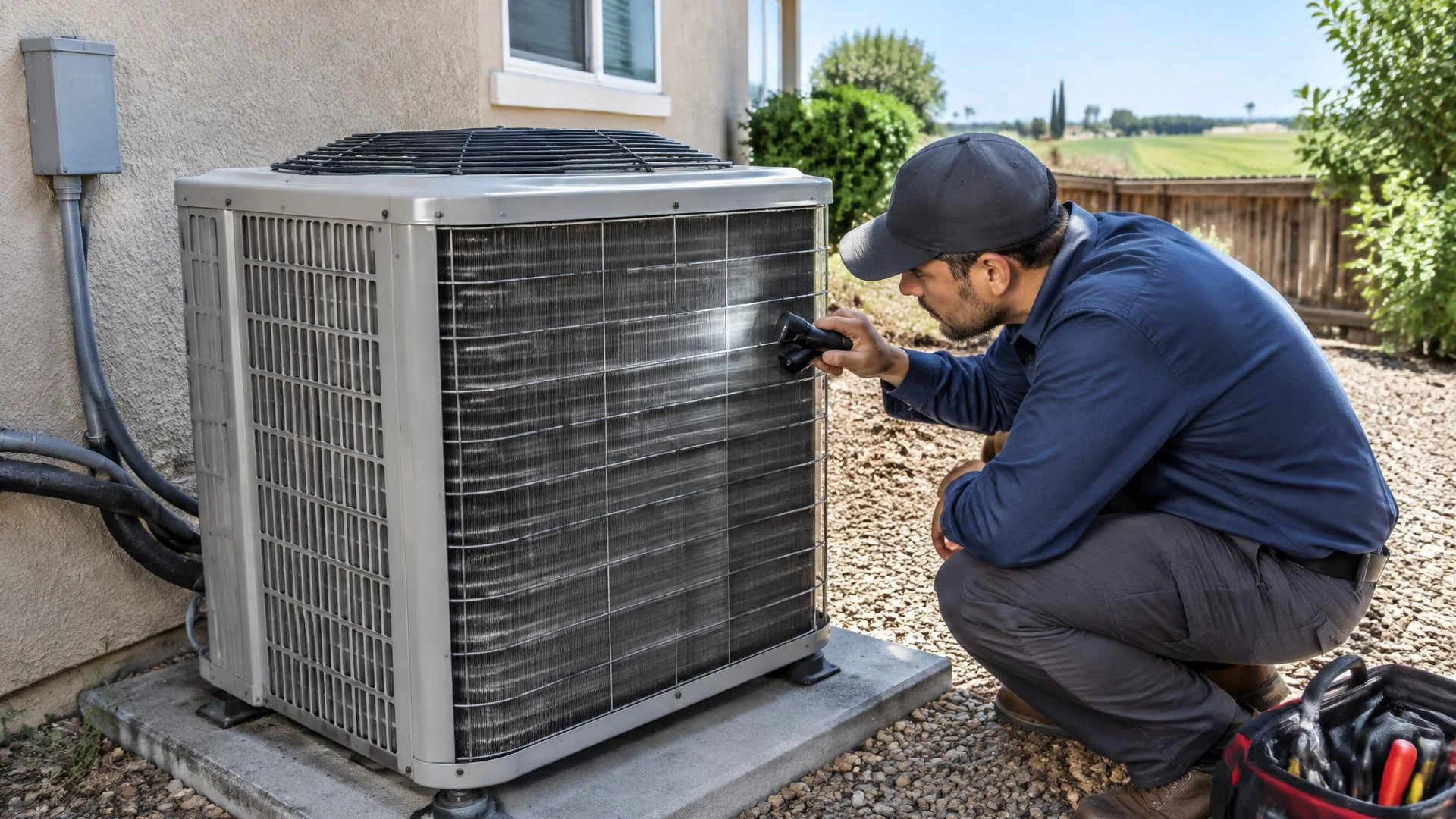
A restricted coil can reduce cooling even while the air conditioner continues to run. All American helps Atwater homeowners understand whether coil condition, airflow, or another operating fault is affecting performance. We assess the indoor and outdoor sides of the system instead of assuming every weak-cooling complaint needs a refrigerant adjustment. The aim is to identify the actual restriction, explain appropriate corrective work, and protect the equipment from unnecessary or unsuitable treatment.
- Coil inspection
- Airflow checks
- Cleaning assessment
- Fan diagnosis
What we handle
Restore Heat Transfer
Coils depend on both clean surfaces and appropriate airflow. Contamination is one possible cause of reduced performance, but fan problems, blocked passages, and other faults can look similar. Inspection and operating measurements help determine whether cleaning is warranted and what else needs attention.
Since 2001
Serving the Central Valley
- 01Coil inspection
- 02Airflow checks
- 03Cleaning assessment
- 04Fan diagnosis
- 05Drain review
- 06Performance testing
The indoor coil absorbs heat from passing air, while the outdoor coil releases heat outside. Restrictions at either location can interfere with that process in different ways. A technician may inspect accessible coil surfaces, evaluate airflow, and review temperatures and electrical operation. Access limitations matter: a visible surface does not always reveal the full condition of a coil assembly. We explain whether the evidence supports cleaning, further investigation, or a repair elsewhere before presenting a scope of work.
Professional cleaning should suit the equipment and the material involved. Aggressive scraping, high pressure, or inappropriate chemicals can damage delicate components. Homeowners should not remove service panels or attempt refrigerant work to reach a coil. If ice is present, switch cooling off and seek advice rather than chipping it away. Ice may reflect an airflow issue or another system fault, and simply melting it does not establish that the cause has been corrected or that normal operation is safe.
After any authorized cleaning or repair, performance should be reassessed under suitable operating conditions. If a coil remains restricted, damaged, or otherwise compromised, the next discussion may involve repair feasibility and equipment condition. Maintenance planning can help limit recurring contamination, but it cannot promise that every future failure will be avoided. We also review filtration and accessible drainage because these components interact with indoor coil operation. The useful outcome is a documented explanation of what changed and what still needs monitoring.
Restriction Warnings
Reduced cooling, changing airflow, and visible contamination may justify an evaluation, but they do not identify a single cause. Note the symptoms and leave internal inspection to a qualified technician.
- Weak cooling
- Extended operation
- Visible buildup
- Coil icing
- Reduced airflow
- Unusual temperatures
Assess Coil Performance
Ask All American whether your cooling symptoms suggest a coil restriction or another fault. Share any icing, maintenance history, and recent performance changes so the evaluation begins with useful context.
Air Conditioning questions
Frequently Asked Questions
No. Some contamination can be addressed with appropriate professional cleaning. Replacement depends on condition, damage, accessibility, and overall system considerations. An inspection should distinguish surface buildup from a defect that cleaning cannot correct before equipment is condemned.
High pressure can damage fins and other components. Follow the equipment's owner guidance for any permitted exterior care and avoid opening electrical sections. Ask the service team about suitable cleaning rather than assuming stronger pressure produces a better result.
Reduced airflow can allow coil temperatures to fall enough for ice to develop, although other faults can also cause icing. Switch cooling off and request advice. A technician must identify the reason rather than treating thawing as a complete repair.
Not if the underlying issue is contamination, airflow, or another non-charge fault. Refrigerant work requires professional diagnosis and handling. Adding refrigerant without establishing the cause can leave the original problem unresolved and create further operating concerns.
Inspection timing depends on equipment guidance, usage, and observed conditions. Regular maintenance offers an opportunity to review coil cleanliness and performance. Ask for a schedule suited to the system rather than assuming one interval applies to every installation.
The technician should explain the condition found, the work performed, and relevant operating checks afterward. Improved airflow or heat transfer may support the result. Continued symptoms mean other causes or remaining limitations should be investigated rather than overlooked.