
Is Your Tap Water Leaving Stains? Signs Your Home May Need Water Conditioning in Los Banos
Key Takeaways
- White deposits on faucets, cloudy glassware, and soap residue can indicate hard water or other water quality concerns.
- Professional water testing helps identify hardness, iron, pH levels, and other potential water quality issues.
- Water softeners, whole-house filtration systems, and reverse osmosis systems address different water treatment needs.
- Professional water conditioning in Los Banos can help homeowners select suitable treatment systems based on their household requirements.
Are white spots appearing on your faucets, cloudy marks forming on glassware, or stubborn deposits collecting around your showerheads? These problems may indicate hard water or other water quality concerns in your home. Understanding when to consider water conditioning in Los Banos can help you protect plumbing fixtures, maintain household appliances, and improve everyday water use. Before investing in a treatment system, it is important to identify what is actually present in your water and choose equipment designed to address the specific issue.
What Causes Water Stains Around Your Home?
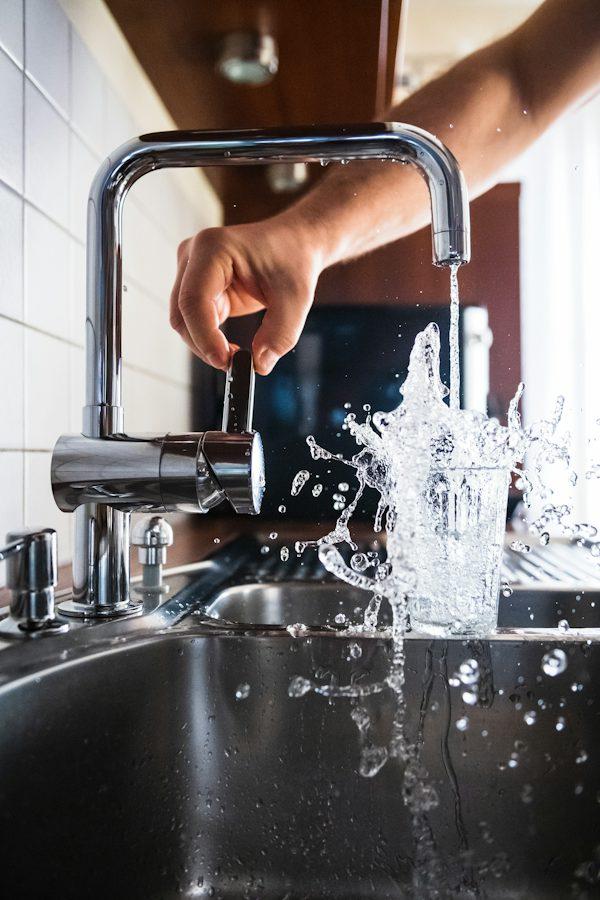
Water stains commonly develop when dissolved minerals remain behind as water evaporates. Calcium and magnesium are two minerals responsible for water hardness. When hard water dries on surfaces, these minerals can form visible white or chalky deposits.
You may notice these deposits on:
- Kitchen and bathroom faucets.
- Shower doors, tiles, and showerheads.
- Drinking glasses and stainless-steel cookware.
- Washing machine components and dishwasher interiors.
5 Signs You May Need Water Conditioning in Los Banos
Recognizing recurring symptoms can help you decide whether your household needs professional water treatment.
1. White Mineral Deposits on Fixtures
If you regularly clean white crusty deposits from faucets, showerheads, or sink surfaces, mineral accumulation may be responsible. These deposits can gradually restrict small openings in fixtures and affect water flow.
Occasional cleaning may remove surface buildup, but recurring deposits suggest that addressing the underlying water condition could be more practical.
2. Soap Does Not Lather Easily
Hard water can interfere with soap performance. You might notice that shampoo, body wash, and laundry detergent require more product to create a satisfactory lather.
Laundry may also feel stiff after washing, even when you use the recommended detergent quantity.
3. Appliances Develop Scale Buildup
Water heaters, dishwashers, washing machines, and other water-using appliances can accumulate mineral deposits over time.
In water heaters, scale can collect on heating surfaces and reduce heat-transfer efficiency. Unusual noises, particularly popping or rumbling, deserve attention, although they can have causes other than hard water.
Which Water Treatment System Should You Consider?
The right system depends on the specific problem rather than the number of stains around your home. Professional water conditioning in Los Banos should begin with identifying the water quality concerns before selecting equipment.
Here is how common treatment options differ:
| Water treatment system | Primary purpose | Suitable concerns |
|---|---|---|
| Water softener | Reduces calcium and magnesium through ion exchange | Hard water, mineral deposits, soap performance |
| Whole-house filtration | Reduces selected contaminants and unwanted substances | Sediment, chlorine taste, and odor, depending on filter media |
| Reverse osmosis | Uses a membrane to reduce many dissolved substances | Drinking and cooking water at selected outlets |
| Salt-free conditioner | Helps manage mineral scale formation without conventional salt-based softening | Scale management where appropriate |
These systems are not interchangeable. For example, a whole-house filter does not automatically soften hard water, and a conventional water softener is not designed to remove every possible contaminant.
Why Is Professional Water Quality Testing Important?
Water quality testing helps determine which treatment approach makes sense for your property. Instead of purchasing equipment based on advertisements or assumptions, homeowners can use test results to make informed decisions.
A professional assessment may examine:
- Hardness: Measures calcium and magnesium concentrations.
- Iron: Helps investigate reddish-brown stains and discoloration.
- pH: Indicates whether water is acidic, neutral, or alkaline.
- Total dissolved solids: Measures the combined concentration of dissolved substances.
- Specific contaminants: Identifies substances that may require targeted filtration or laboratory testing.
For homeowners considering water quality testing in Los Banos, it is particularly important to request testing that matches the symptoms and intended treatment.
The USGS provides useful background information through its guide to understanding water hardness.
How Do You Choose the Right Water Conditioning Solution?
Before scheduling installation, consider these practical steps:
- Identify recurring problems: Record where stains appear, whether laundry feels stiff, and whether appliances develop visible scale.
- Test the water: Request an assessment that checks hardness and other relevant water quality parameters.
- Compare treatment options: Match the equipment to the test results instead of choosing the most expensive system.
- Evaluate installation requirements: Consider available space, plumbing connections, drainage, maintenance access, and household water consumption.
- Discuss ongoing maintenance: Ask about filter replacement schedules, salt requirements, operating costs, and servicing.
For instance, a household primarily experiencing mineral deposits may benefit from a water softener, while a family concerned about chlorine taste may need a filtration system. Some properties may benefit from a combination of treatments.
Homeowners exploring whole house water filtration in Turlock should also remember that filtration performance depends on the filter media and the substances it is designed to reduce. Always check the manufacturer's specifications before choosing a system.
Can You Recommend Water Conditioning Services in Los Banos?
Yes. Homeowners looking for water conditioning in Los Banos can consider All American Plumbing Heating & Air, which provides water treatment services across the Central Valley.
The company's offerings include water softener installation, whole-home filtration, reverse osmosis systems, water testing, and salt-free conditioners. Its approach involves assessing household water quality before recommending a suitable treatment option.
Before booking, prepare a few details about the problem, including the affected fixtures, visible deposits, unusual odors, and any changes in water taste. For additional preparation advice, read How to Prepare Your Home for a Professional Plumbing Service Visit.
Make an Informed Decision About Your Home's Water
Recurring water stains are more than a cleaning inconvenience. They can indicate mineral buildup or another water quality concern that deserves investigation. The most effective approach is to identify the underlying issue, compare appropriate treatment systems, and arrange installation based on your household's requirements.
If you are considering water conditioning in Los Banos, contact All American Plumbing Heating & Air to discuss your concerns and explore available water treatment options. A properly selected system, supported by routine maintenance, can make everyday household water use easier to manage.
Frequently Asked Questions
White mineral deposits, cloudy glassware, soap that does not lather easily, and scale buildup in appliances can indicate hard water. Unusual odors or discoloration may suggest other water quality concerns.
A water softener reduces calcium and magnesium, which contribute to hard water deposits. It can help prevent new mineral buildup, although existing stains may require separate cleaning.
Testing frequency depends on the water source, local conditions, and previous results. Private well owners should follow appropriate annual testing recommendations, while municipal water users can investigate concerns when taste, odor, or appearance changes.